
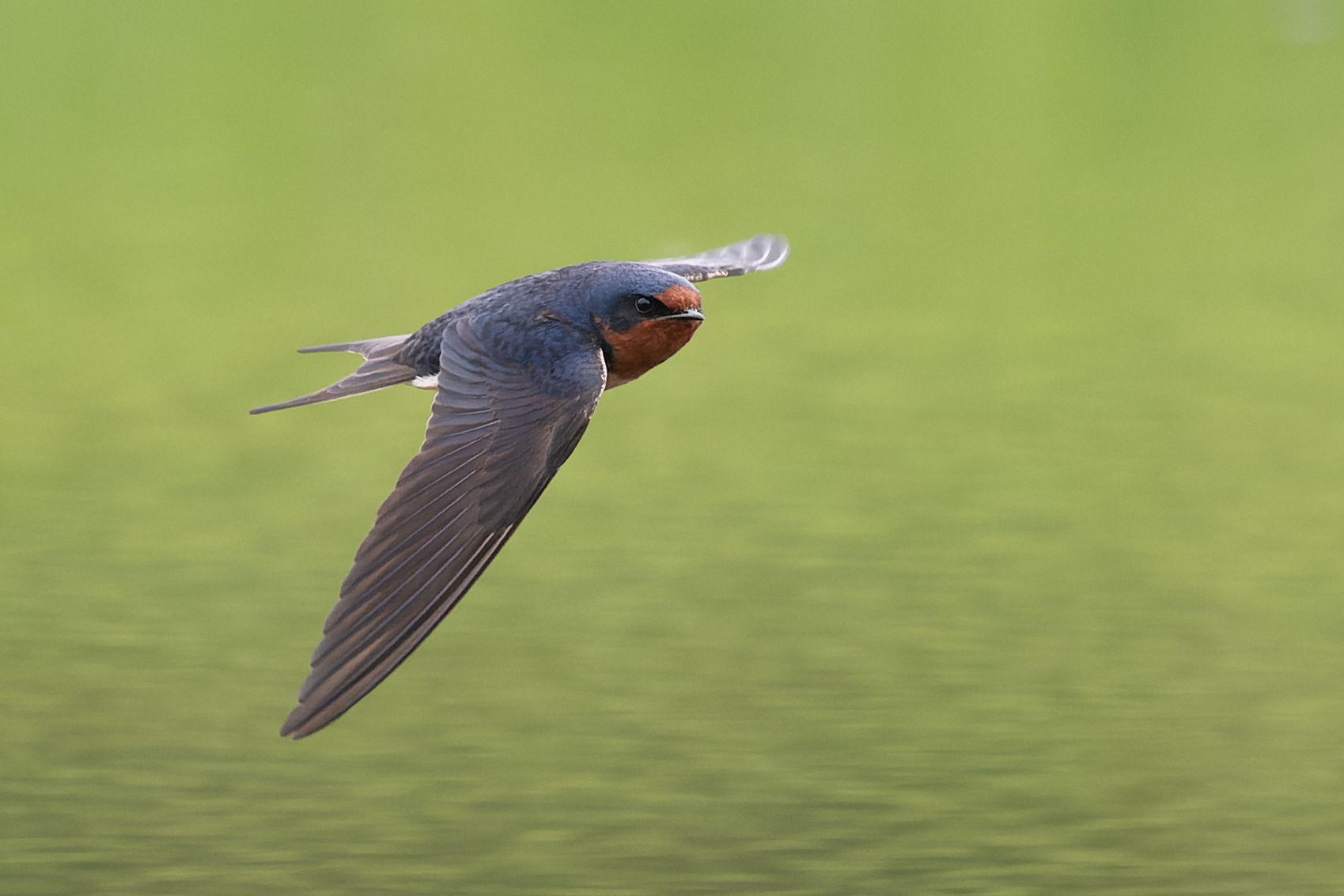
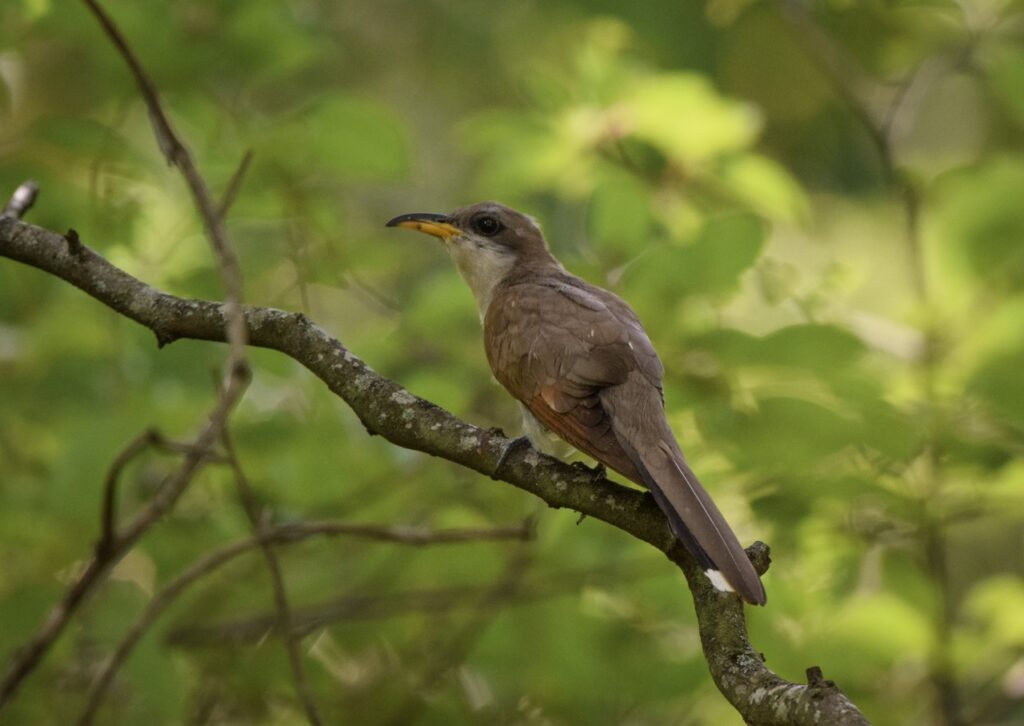
Photo by Graham Gerdeman
By Jenna Atma, Avian Biologist with Warner Parks BIRD Program
Few things signal the changing of the seasons quite like the sight and sound of birds starting their yearly migration south for the winter. But for birds, migration is more than simply flying south from point A to point B; they make several important stops along the way, during which they need to rest and refuel for each next leg of the journey.
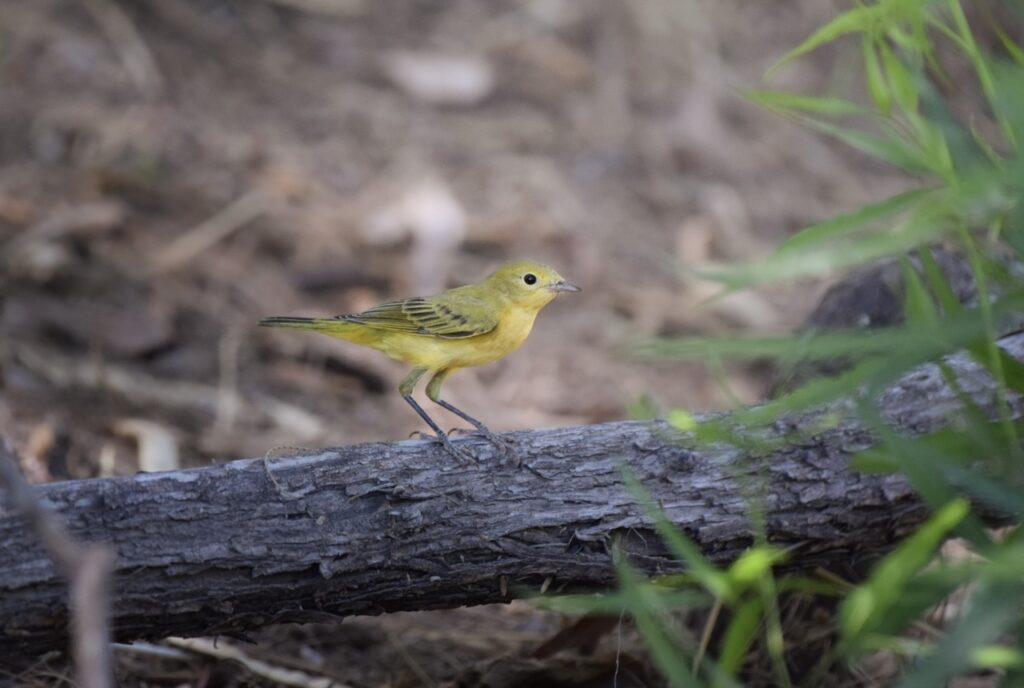
Migration is one of the most energetically demanding and dangerous times for a bird. There are numerous challenges that birds face on such a long trip, such as food availability, avoiding predators and obstacles, and finding safe resting spots in-between flights. Many species travel between several hundred to over 10,000 miles during migration, so each of these factors plays a very important role in the bird’s successful journey.
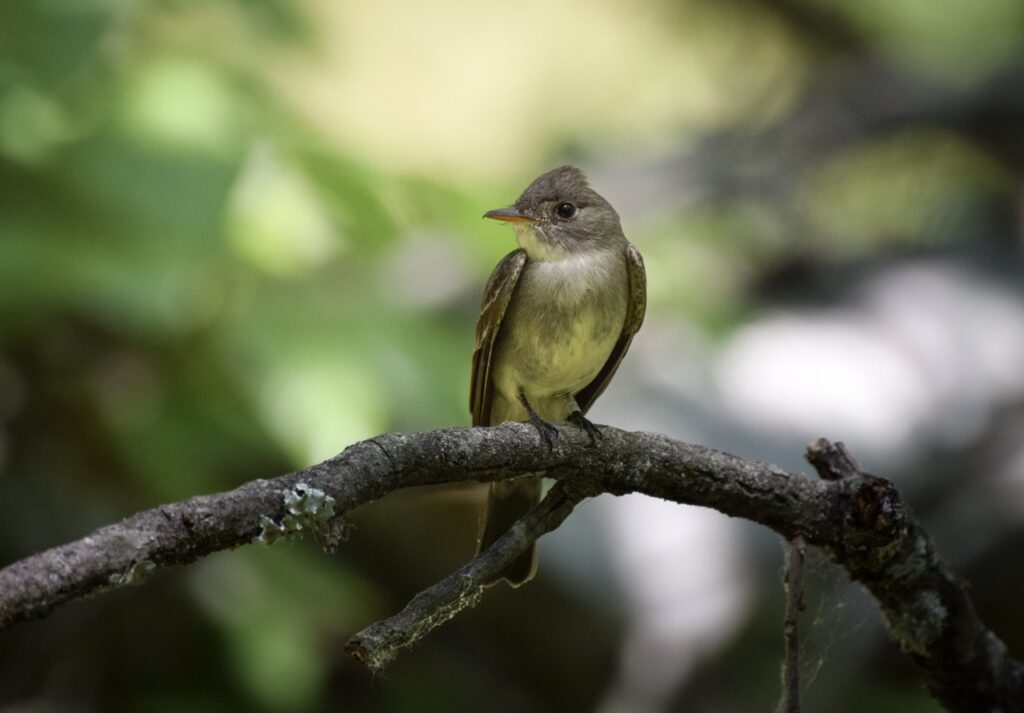
As birds fly, then rest, then fly and rest again, each of these resting spots become extremely important for the birds’ successful travel. These resting locations are called “Stopovers”. Think of stopovers like gas stations or hotels on a cross-country road trip. Where you end a day’s journey needs to provide you with enough food and a safe sleeping place for you to be able to continue the trip the next day. Birds rely on these stopover sites to complete their migration safe and sound.
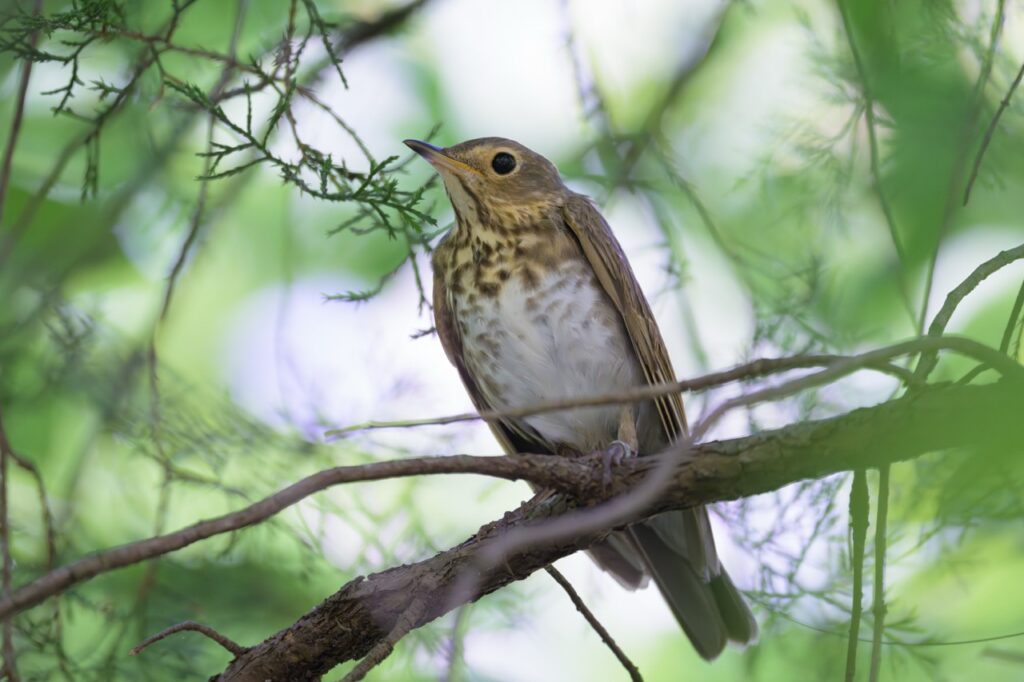
Birds burn a ton of energy during migration. Prior to migration, often in mid-late summer or early fall, birds gorge themselves on energy-rich food, building up excess fat reserves that they can rely on for the long journey. Energy-rich foods often come in the form of protein, which for most migrating songbirds, means insects. Insects, especially caterpillars, are packed full of protein and are often easy to catch and digest, making them a perfect road trip snack. Birds also eat many other crawly critters, including spiders, moths, worms, flies, and even wasps.
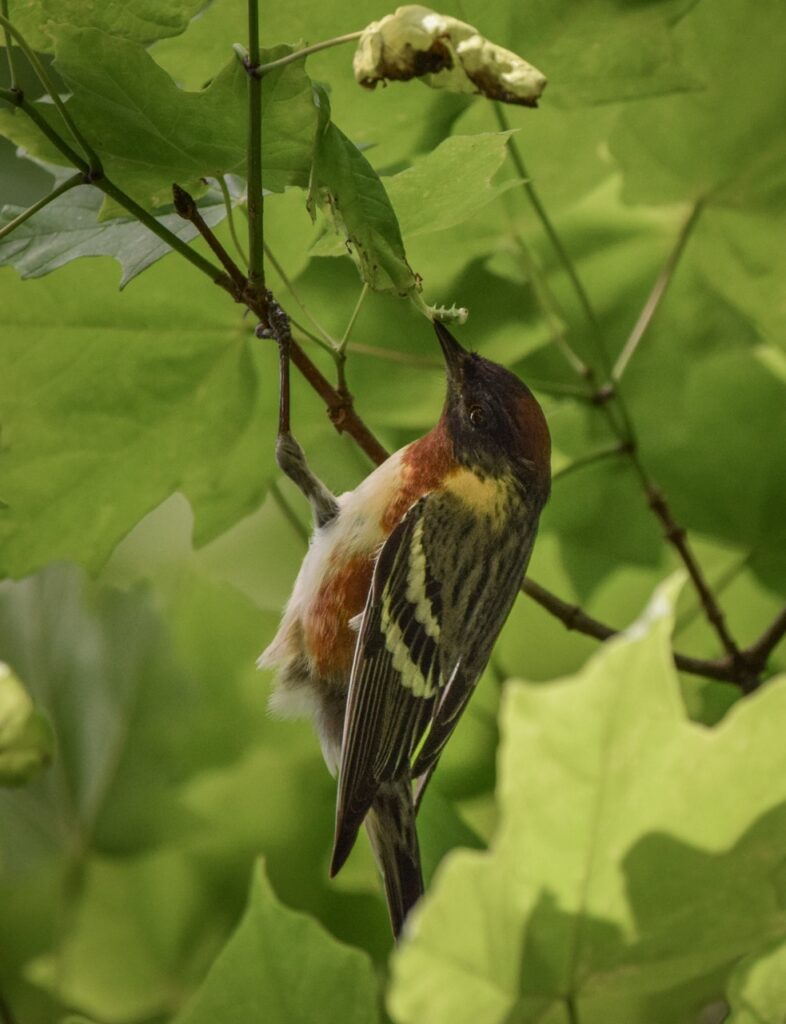
Because insects are such a critical source of nutrition and hydration for birds, having safe stopover habitats that are filled with insects can make or break the migratory journey. Birds may spend a few hours at a stopover site, or several days or weeks, depending on factors like food availability and weather. A good stopover habitat provides birds with an ample food supply, clean water, and shelter from predators. Safe stopovers don’t have to provide huge amounts of land; it can even be your backyard! Good stopovers just need to cover the basics for what migrating birds need to be that vital resting place before the next leg of the journey.
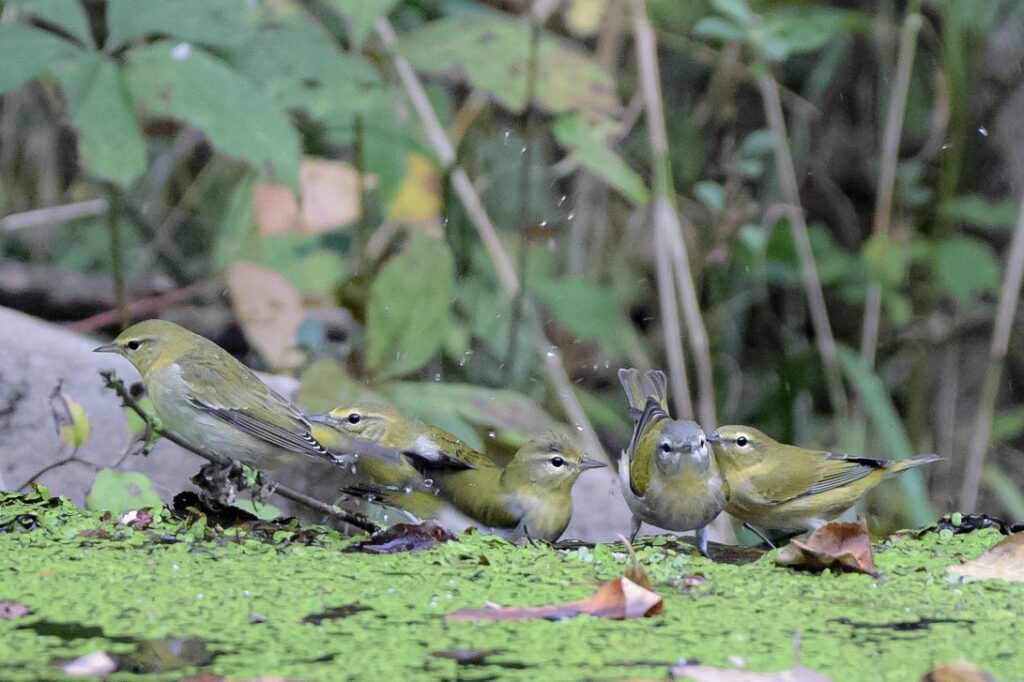
A vital way to help provide a safe stopover for birds is to plant native plants, which support a lot of these important insects. Our local plants and insects evolved to host one another over thousands of years, which means that plants not native to the local area support few or even zero insects because they don’t know how to eat those kinds of plants. A native oak tree in Tennessee can support over 550 species of caterpillars, making them one of our most important native plants for birds. Native willows, plums, cherries, maples, goldenrods, asters, and milkweeds are just some of Tennessee’s other best supporting plants for native insects, and therefore, birds.
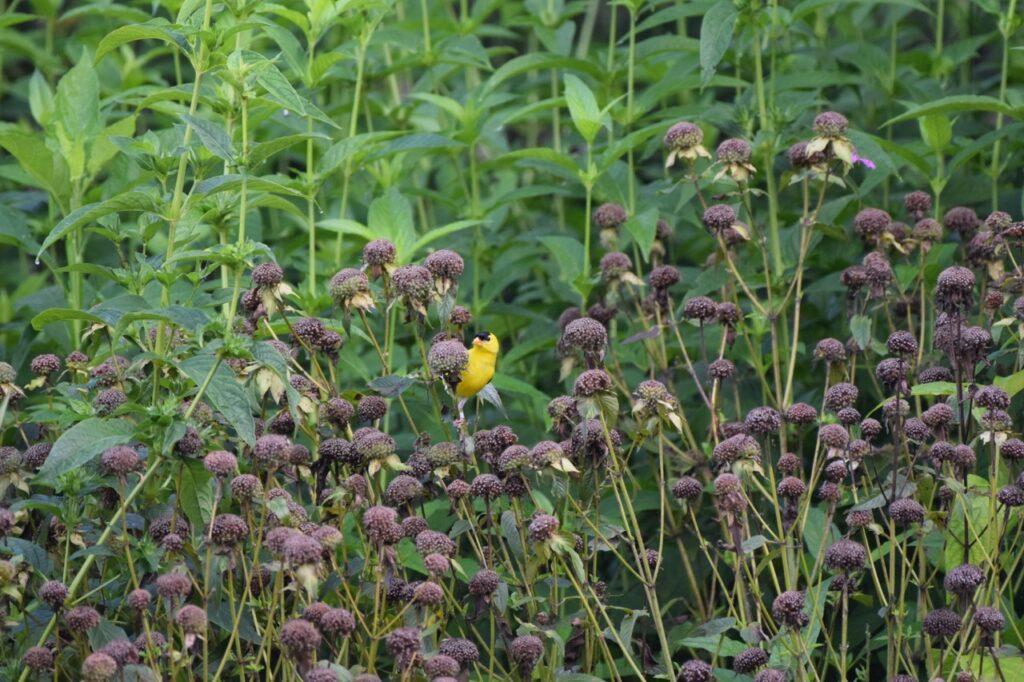
Finding quality stopovers can be a significant challenge for birds in today’s landscape. Urban developments, agricultural fields, and manicured lawns all have very little safe habitat for birds or insects. They also fragment the landscape, making safe stopovers fewer and far between for these world travelers. Ornamental plants, pesticide use, windows, and outdoor cats all create a dangerous landscape for migrating birds. Outdoor cats (even pets) are the cause of ~2.4 billion bird deaths every year, and window collisions account for >1 billion. Habitat fragmentation is a much larger issue, but at least when it comes to cats, windows, and providing a native-plant filled, pesticide-free habitat, these are all simple changes most people can make to improve migration safety for birds!
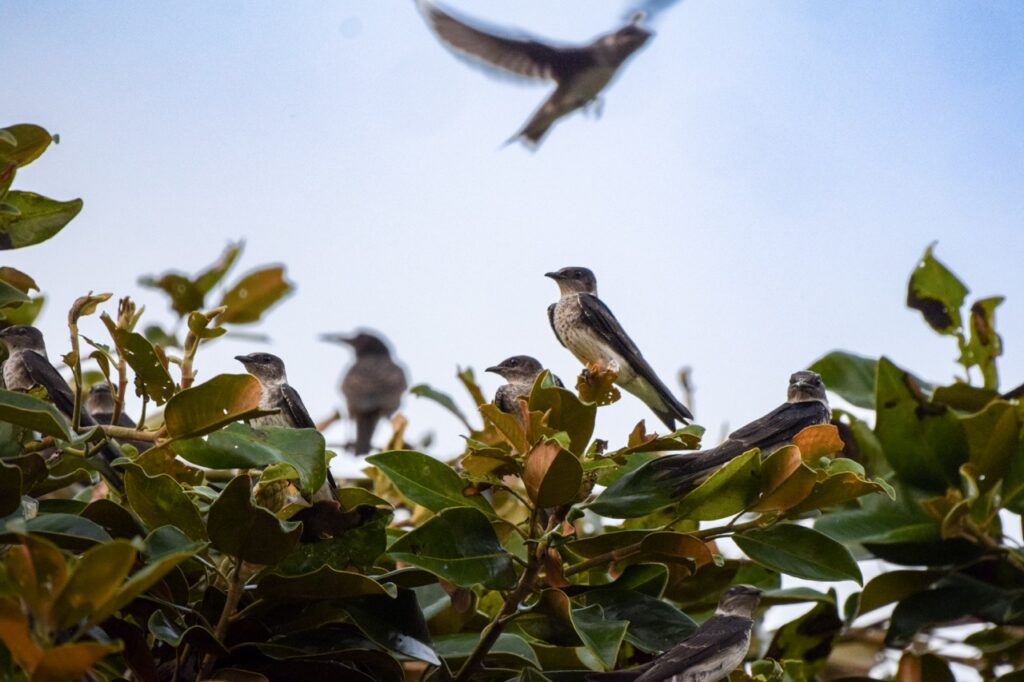
Turning your lights out at night or using window decals to prevent window collisions during migration (August – October) are simple solutions that can make a huge difference for migrating birds! Keeping your cats inside or providing them with an enclosed catio can help protect both birds and your cats. And of course, planting native plants provides birds with the valuable fuel they need to complete the trip from their northern breeding ranges to their southern overwintering homes, and back again.
Migration is a journey that brings birds across state, country, and even continental lines. Regardless of where we live, we are all connected by the birds that travel thousands of miles every year, stopping at each refueling station along the way. Although one person alone can’t keep every bird safe during this massive journey, we can all work together to provide a network of safe stops to ensure that birds have the best chance of a safe migration as they stop and rest along the way.