
By Jenna Atma, Avian Biologist
Warner Parks B.I.R.D. Program
All photos by Jenna Atma.
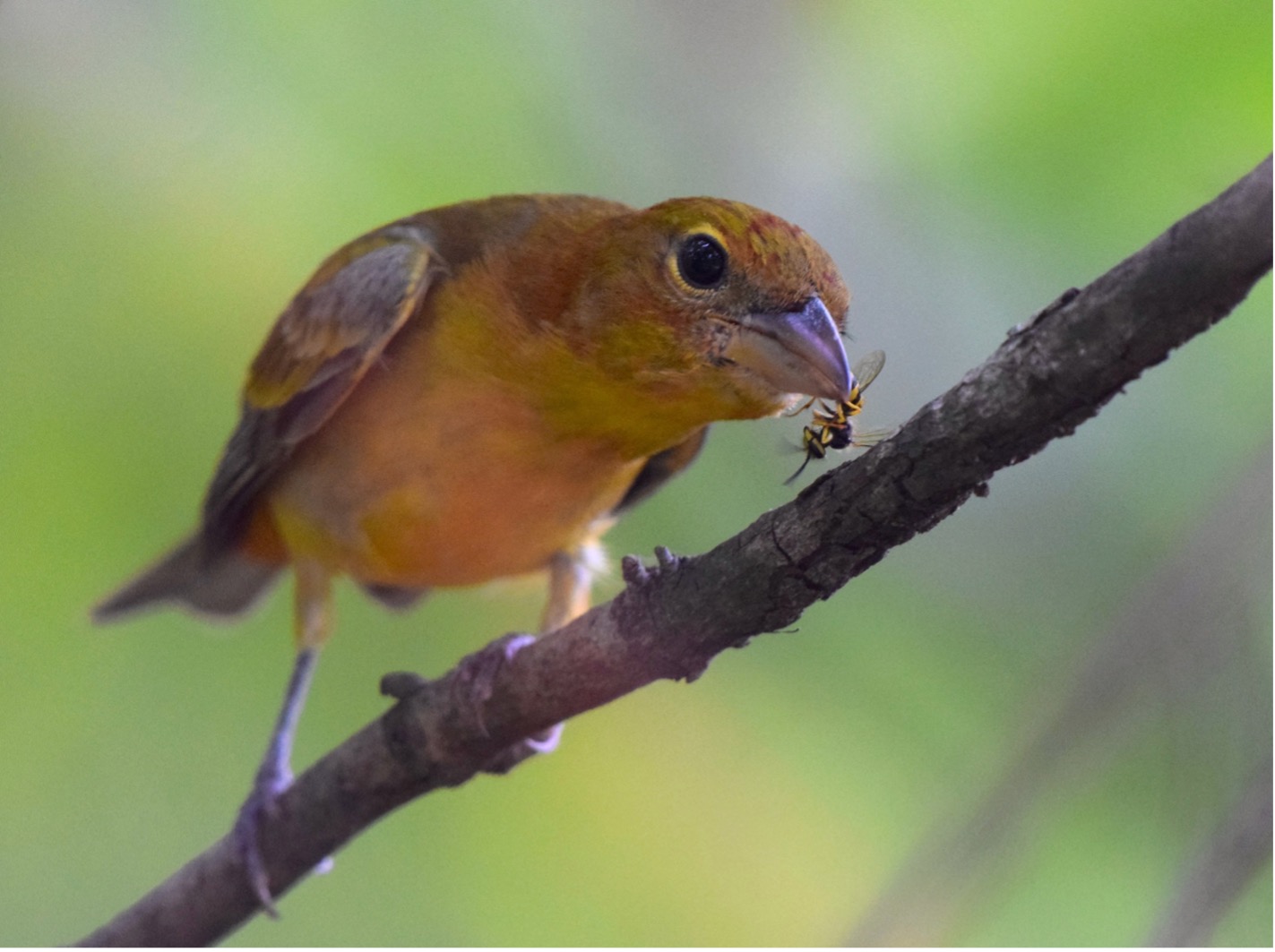
On a warm, sunny day, it’s easy to notice the birds—their beautiful songs, their bright colors, and their flitting movement through the trees and sky. What’s harder to see is everything happening beneath the surface; hidden underneath leaves, tucked into crevices in bark, and buzzing through the air are thousands of insects. While the birds may be what we notice, the insects are what make their lives possible, providing birds the energy to be active and successful, especially during migration and the summer breeding season. In the complex web of life, insects are often overlooked, yet they are essential to the functioning of entire ecosystems. They act as pollinators, scavengers, predators, and sources of vital nutrients for many birds. When insects thrive, the birds benefit.
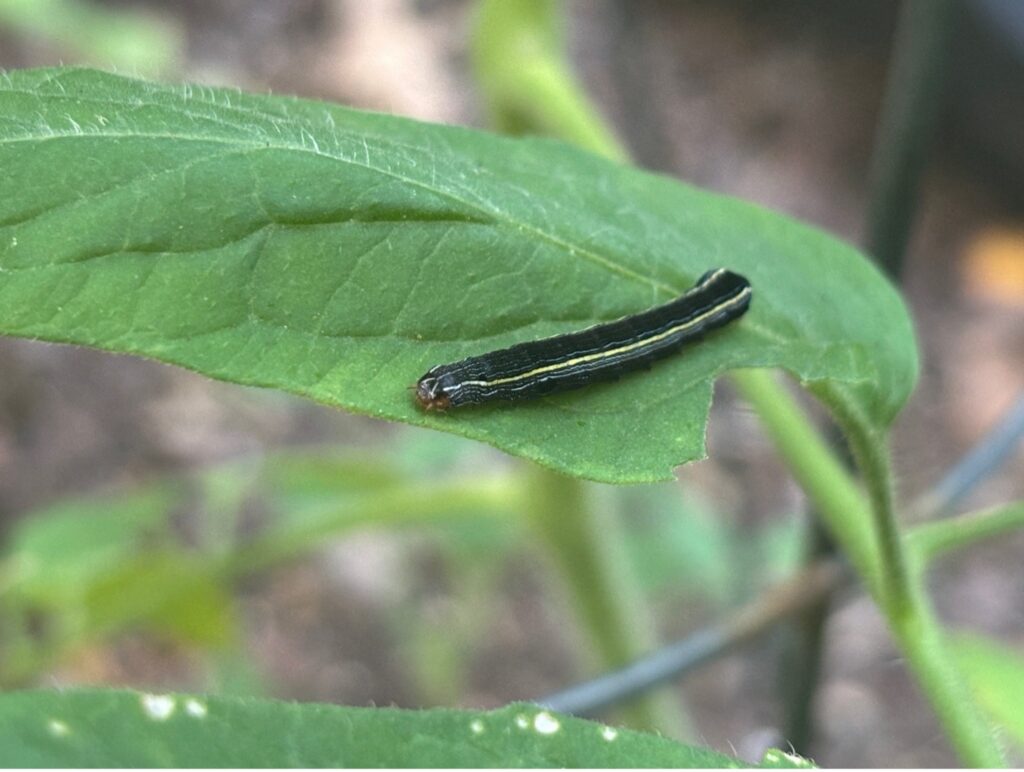
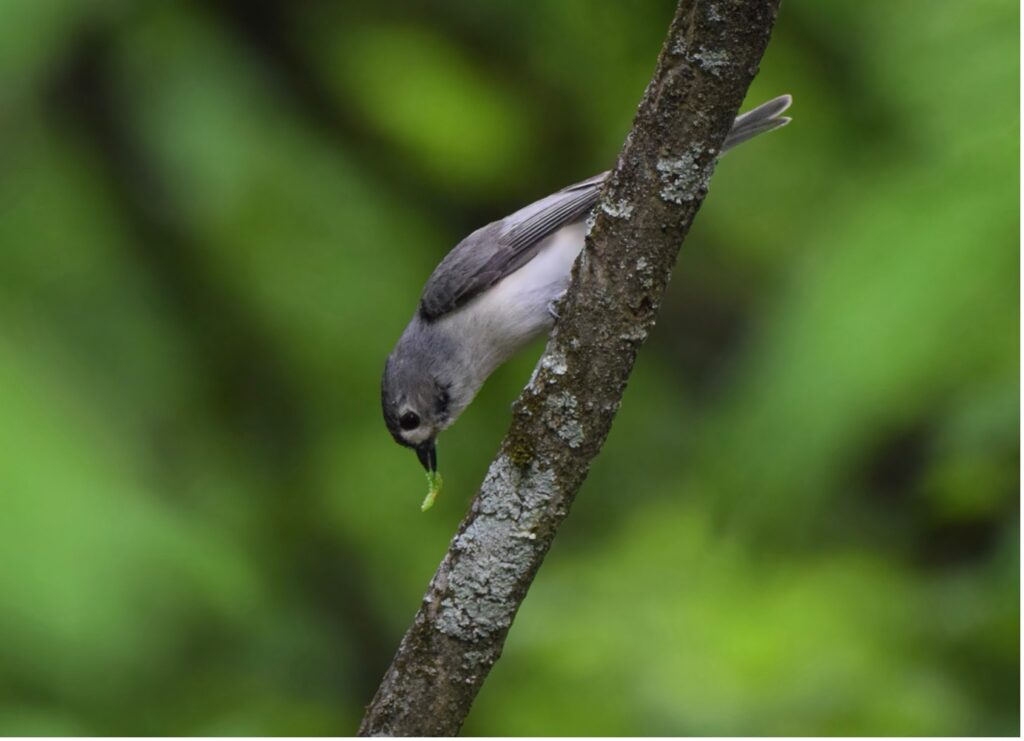
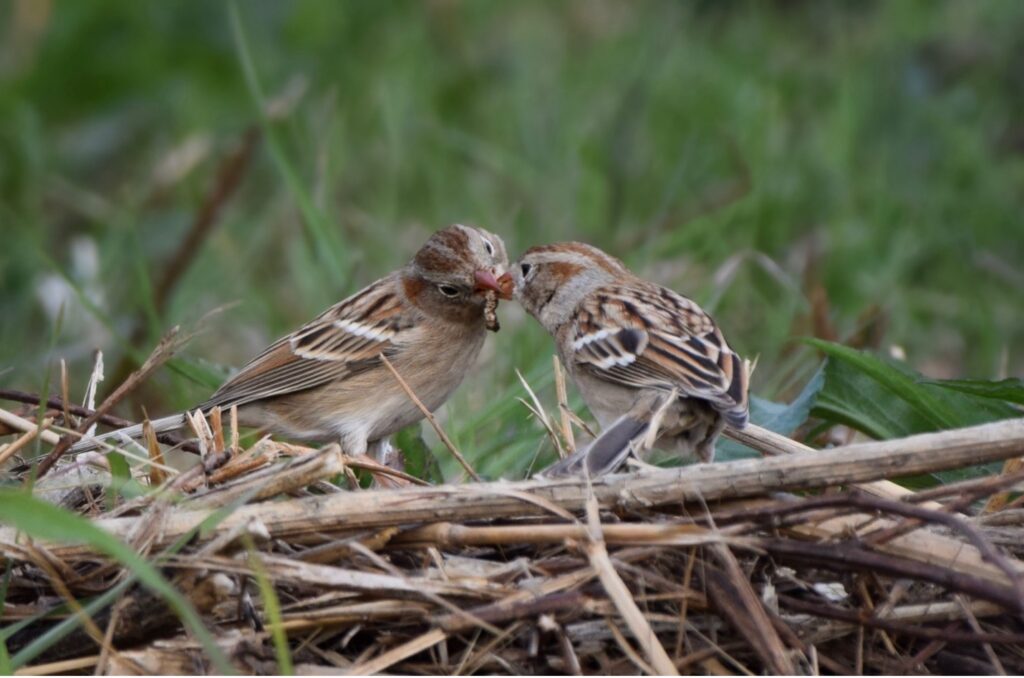
Insects are a primary food source for many birds. Caterpillars in particular are exceptionally valuable, as they are rich in protein and packed with essential fats and nutrients, such as carotenoids. Insects are especially important during the nesting season, when adult birds must meet the intense dietary demands of their rapidly growing young. Caterpillars are a favorite food source due to their soft bodies posing little risk to tiny nestlings, and their relatively low chitin content (more common in hard-shelled insects like beetles) makes them easier to digest.
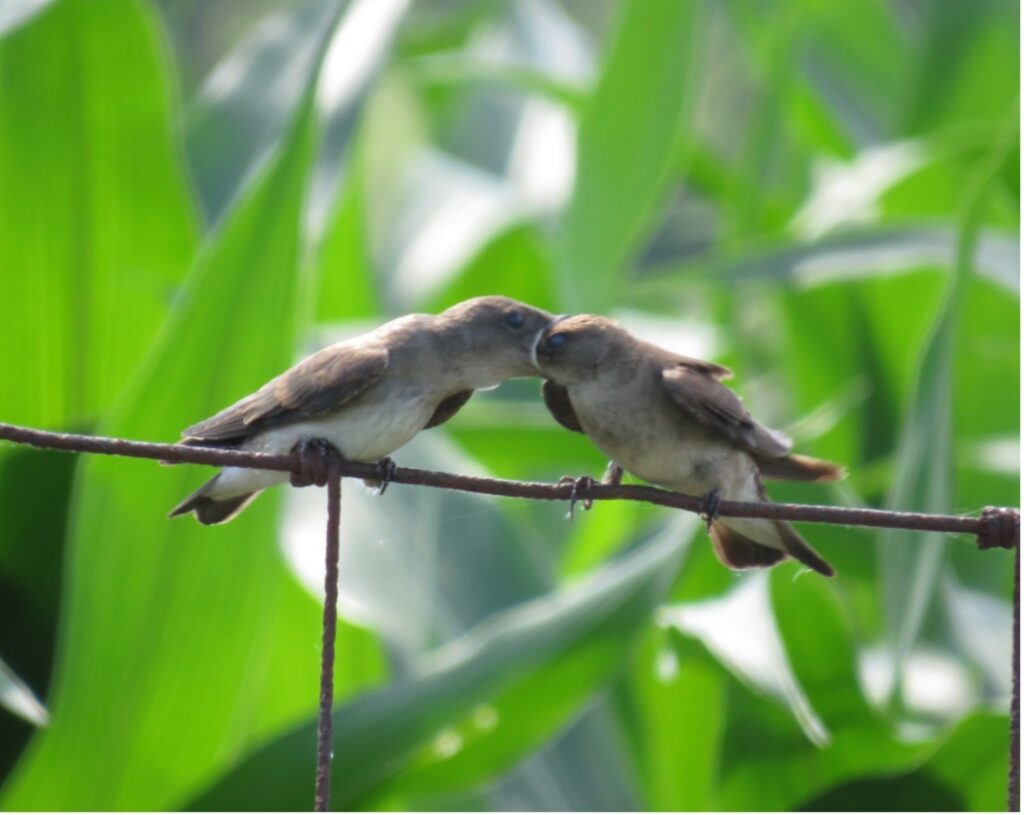
Fledglings require a lot of food to grow quickly. 96% of land-based bird species raise their young entirely on insects, with parents often having to deliver several hundred caterpillars every day to their nestlings. That’s almost 10,000 caterpillars for just one clutch of babies! When you consider birds having multiple nests per year, and then multiply that by every single bird that raises young every summer, the number of insects that adds up to is simply too large to count. Insects really are the basis for supporting healthy, happy chicks, and a lot of them are needed!
Native plants are the basis of supporting insects in your yard. Author Doug Tallamy outlines this concept quite eloquently in his Chickadee’s Guide to Gardening, especially when it comes to native plants being important insect hosts. For example, oak trees are host to around 1,000 species of insects that depend specifically on oaks, and trees in the Prunus family (cherries and plums) support over 450 native insects. Contrastingly, non-native trees like Ginkgos and Bradford Pears support almost zero native insects. The same is true for short, fescue lawns: these non-native plants act as ecological deserts, supporting no insect life, and in turn, no bird life. It’s estimated that around 80% of new plantings in the U.S. are non-native plants. That’s a lot of “desert”! But this is where you can flip the script—planting native trees that support a diversity of insects and reducing your lawn size with beautiful flowers can turn a lifeless lawn into a buzzing life-filled ecosystem!
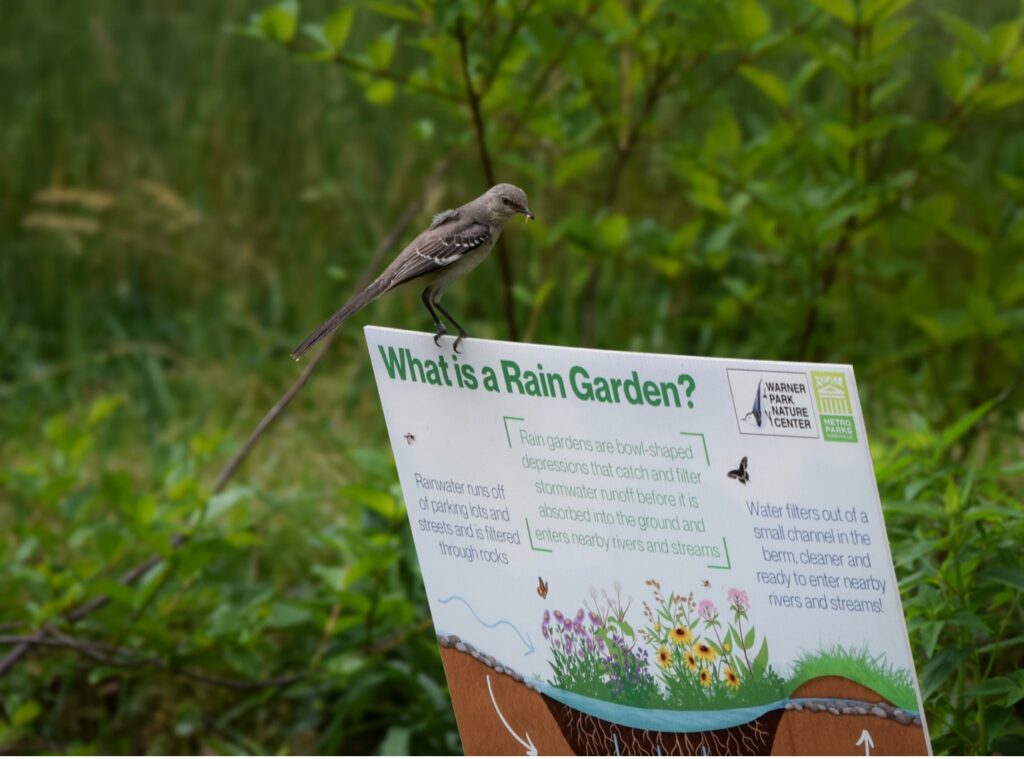
You can also make your yard more insect-friendly by not raking your leaves in the fall. Allowing leaf litter to remain in your garden or yard provides safe shelter, food, and overwintering habitat for insects, which in turn supports birds by providing a consistent food source. Birds also benefit when you avoid using pesticides and herbicides—they’re nature’s pest control themselves after all! Consuming insects covered in chemicals makes birds sick, which especially impacts growing nestlings during the spring and summer. You can plant natives that naturally have pest-repellent properties, and simply focusing your gardens and yards on native species will draw in nature’s own pest management; a win-win for you and the birds.
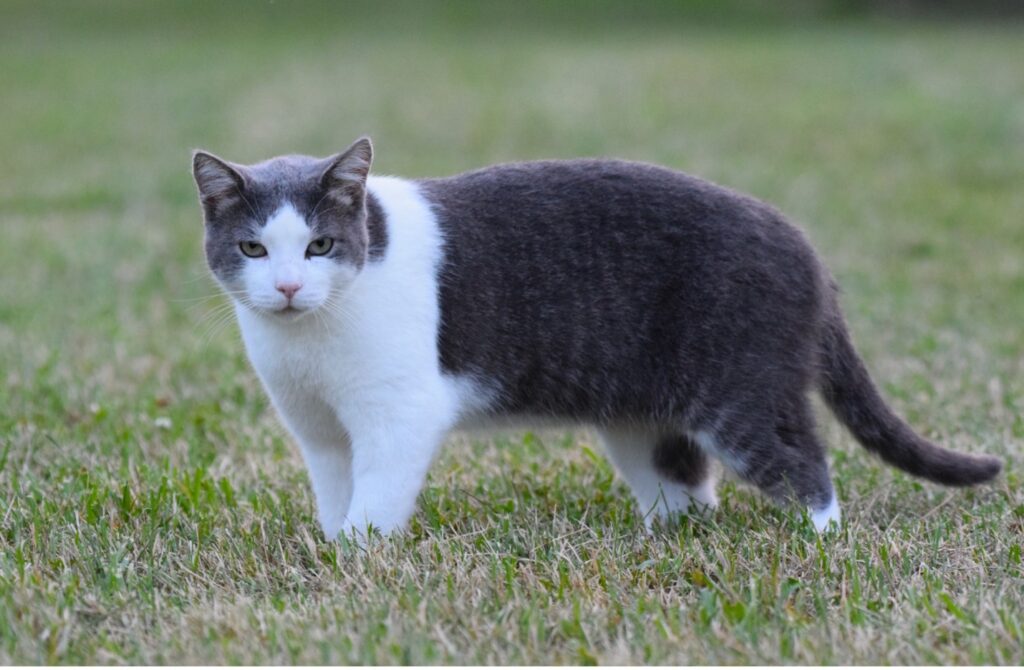
Once fledglings leave the safety of their nests, they are still fed insects by their parents for several weeks until they learn how to fend for themselves. However, a new challenge is presented for them, but it’s one that you can also help with! Outdoor cats are estimated to kill more than 2.6 billion birds annually in the U.S. and Canada. Even the laziest, most well-fed cats are instinctual predators, and new fledglings in the summer are especially vulnerable. Take it from me: my three-legged, arthritic old cat was still able to catch and kill a fledgling Cardinal a few summers ago! I have since created a nice bird-watching spot for him on my front porch, and he’s content now to watch the birds at my feeders from a safe distance behind a screened window. To help protect these little birds, you can help immensely by keeping your cat indoors, or creating a “catio” for them to watch the birds from a safe vantage point as well.
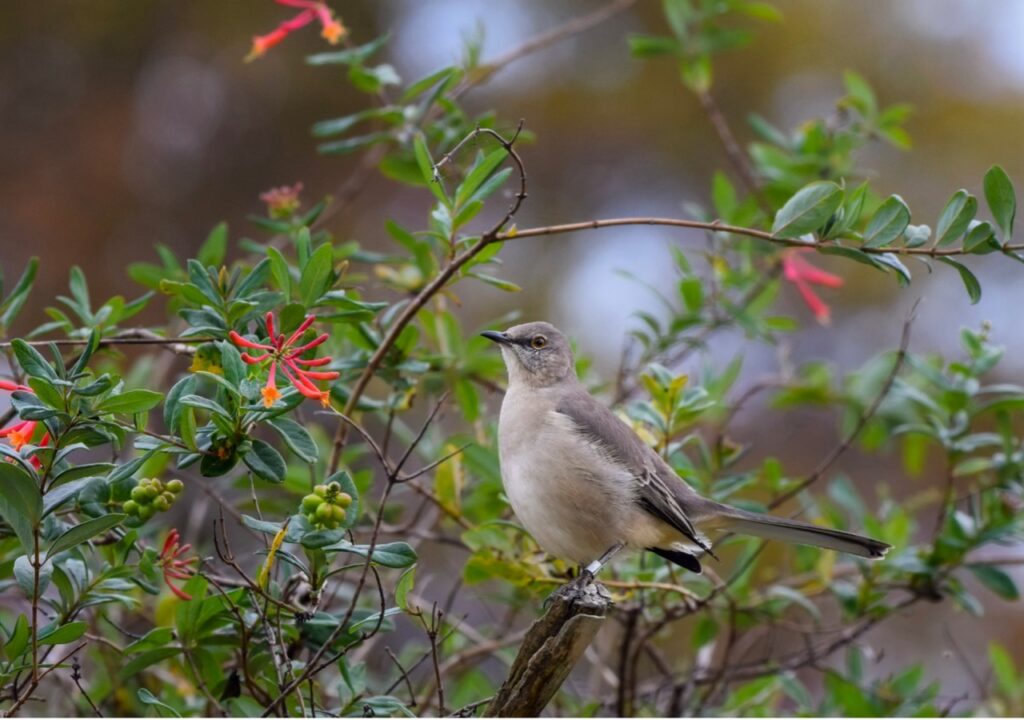
Insects are the heart of the ecological food web, and are the primary way nature translates nutrients from plants into animal life. Many keystone species help support this balance and keep all of the interactions between birds, bugs, and plants in harmony. You have the chance to help redefine what is beautiful in your own backyards; by creating a safe haven for insects and recognizing their importance in the food web, you can be an ally and ambassador for your local birds. Your choices matter—small actions you take today can help shape tomorrow’s biodiversity for the benefit of birds and bugs alike.
Visit Doug Tallamy’s website for more tips and tricks to support diverse wildlife in your backyards.