
By Jenna Atma, Avian Biologist
Warner Parks B.I.R.D. Program
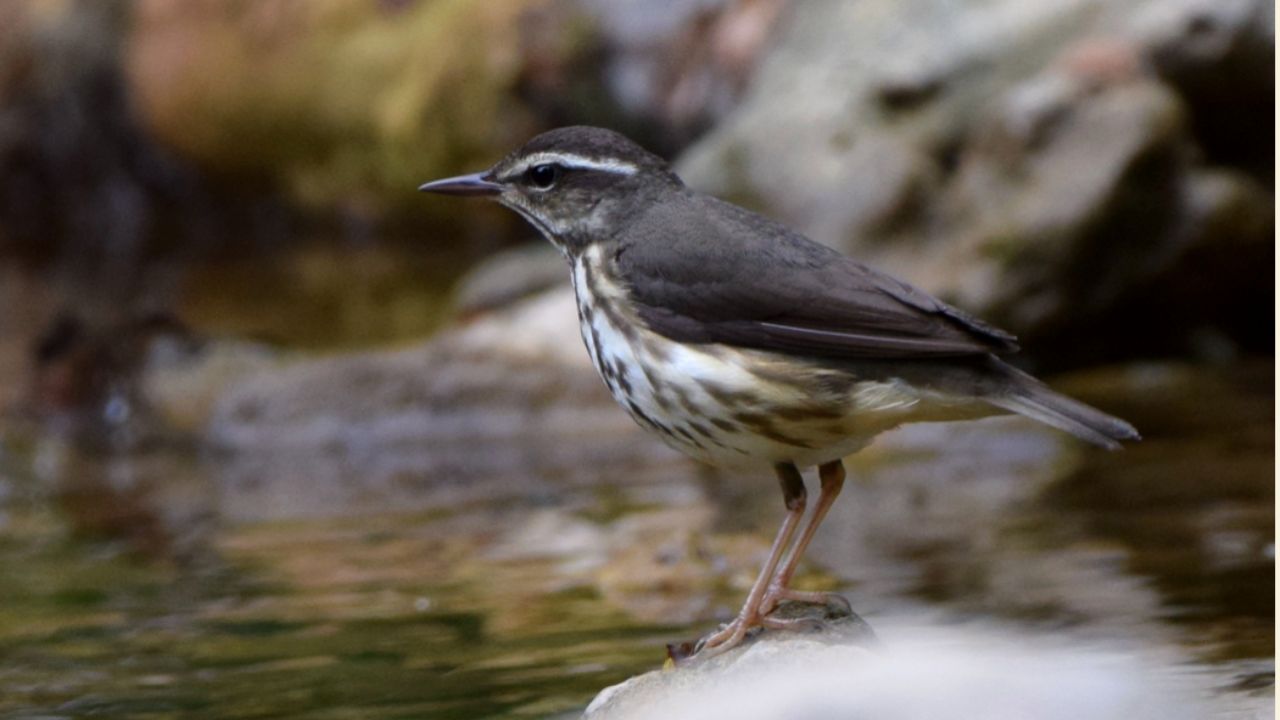
Cover photo: Louisiana Waterthrush. All photos by Jenna Atma.
As birds begin to move northward on their migratory journey, you may hear and see different kinds of birds filling the skies and trees around you week by week. This seasonal movement is often described through “phenology”, which is the study of how natural events change with the seasons and over time. It’s essentially nature’s calendar. For bird migration, phenology focuses on when each species arrives, how long they stay, and how these movement patterns shift from year to year. One morning you might notice a flock of barn swallows returning to familiar nesting grounds, and the next week you may hear the melodic song of a newly arrived warbler.
Every year at Warner Parks, we keep track of the phenology of migrating birds. We record the first sightings of species as well as the last sighting of species as they arrive, pass through, and depart again, which we can compare across years and notice changes and connections to other aspects of nature. Phenology can shift year to year depending on many factors, like weather patterns, insect abundance, and rainfall. Here’s an overview of migration timing you may notice in the Nashville area:
Late March – Early April:
Some earlier migrants, such as Barn and Tree Swallows, Purple Martins, Chimney Swifts, and a few warblers such as Yellow-throated Warblers, Louisiana Waterthrushes, and Northern Parulas begin to arrive just as the trees are blooming and leaves start to emerge. Some of these birds will stay for the summer and start establishing breeding territories, but others may continue farther north. Other birds that spent the winter in Tennessee, like American Woodcocks and Fox Sparrows depart for more northern breeding grounds.
Mid-April:
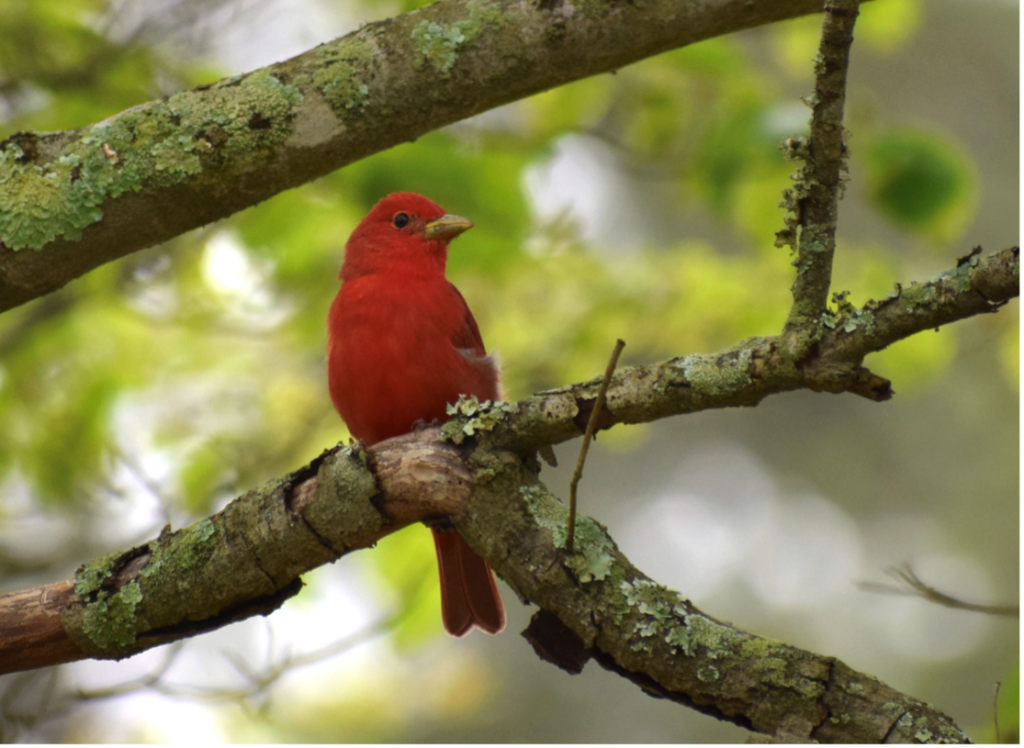
Many more species begin to arrive in earnest. Several more warblers, like Ovenbirds and Blue-winged, Tennessee, Blackpoll, Yellow Warblers will fill the more leafed-out trees with song and bright colors, as well as Rose-breasted Grosbeaks and Orchard Orioles. Several summer residents, such as Summer and Scarlet Tanagers, Wood Thrushes, Indigo Buntings, Ruby-throated Hummingbirds, and White-eyed Vireos will also arrive and begin settling in, just as some winter residents, like Golden-crowned Kinglets, Purple Finches, and Dark-eyed Juncos depart for their more northern migration.
Late April – Early May:
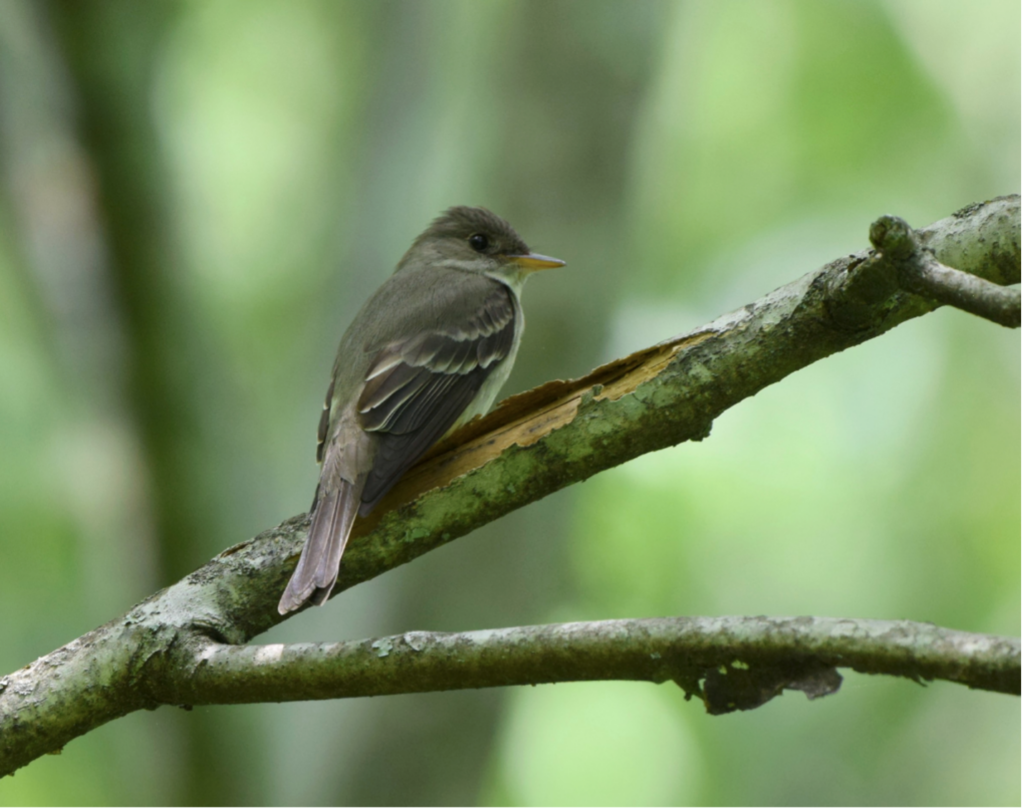
Many passers-through may stop in the Nashville area to refuel, like Swainson’s Thrushes and Gray-cheeked Thrushes, American Redstarts, and a majority of our warbler visitors, like Canada, Bay-breasted, Magnolia, and Chestnut-sided Warblers. More summer residents like Red-eyed Vireos and Eastern Wood-Pewees arrive, and many remaining winter residents head out, including White-throated and Swamp Sparrows, Hermit Thrushes, and Ruby-crowned Kinglets.
Embrace Migration Season
You don’t have to be a scientist to track phenology yourself; simply noting when you first see or hear certain birds each spring—and comparing it year to year—can help contribute to a broader understanding of migration patterns. Community science projects like eBird and iNaturalist rely on everyday observers to build large datasets and understand range-wide phenology patterns in birds!
You can help make your yard a welcoming stop for migrating birds on their journey. Planting native flowers, shrubs, and trees provide shelter, as well as help attract insects, a crucial protein source for many migrating birds to stay fueled-up for their big trip. It’s also important to keep birds safe during this vulnerable time, which you can help with by putting screens or window decals on your windows to help prevent window-strikes, as well as keeping your cats indoors for both the birds’ and their own health and safety! Even well-fed cats have natural hunting instincts, and migratory birds, which are already under stress from their long journeys, are especially at risk. So, get outside, plant some native flowers, install a bee hotel, and keep your kitties indoors, and enjoy the bursts of color and beautiful bird song ringing through the woods during this year’s spring migration!