
By Jenna Atma, Avian Biologist
Warner Parks B.I.R.D. Program
All photos by Jenna Atma.
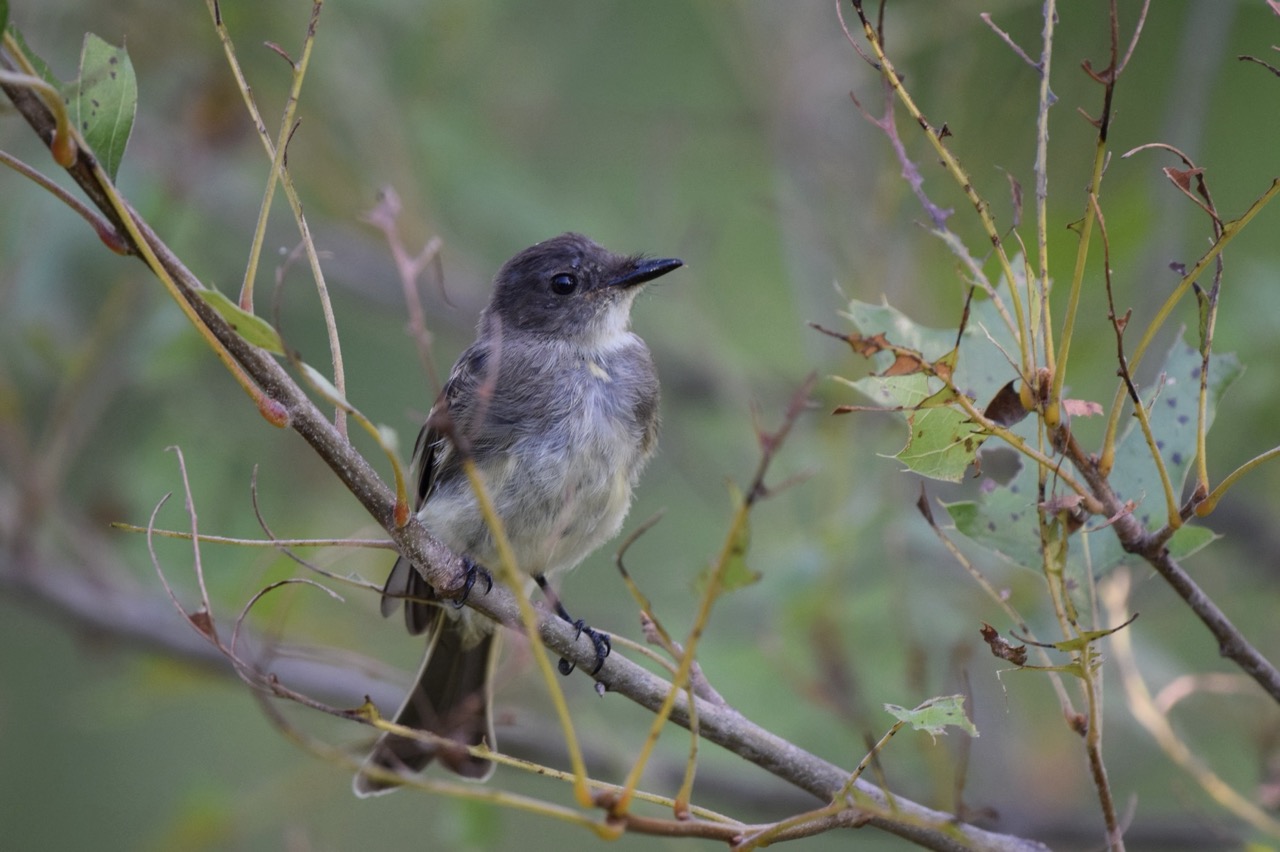
It’s that time of year when baby birds are popping up all over the place! You may have even seen a few already—maybe they’re nesting in your backyard, or even scoping out your garage or planters for safe places to nest! Perhaps you’ve already seen fledglings; young birds that have recently left their nests and are exploring the world on their own.
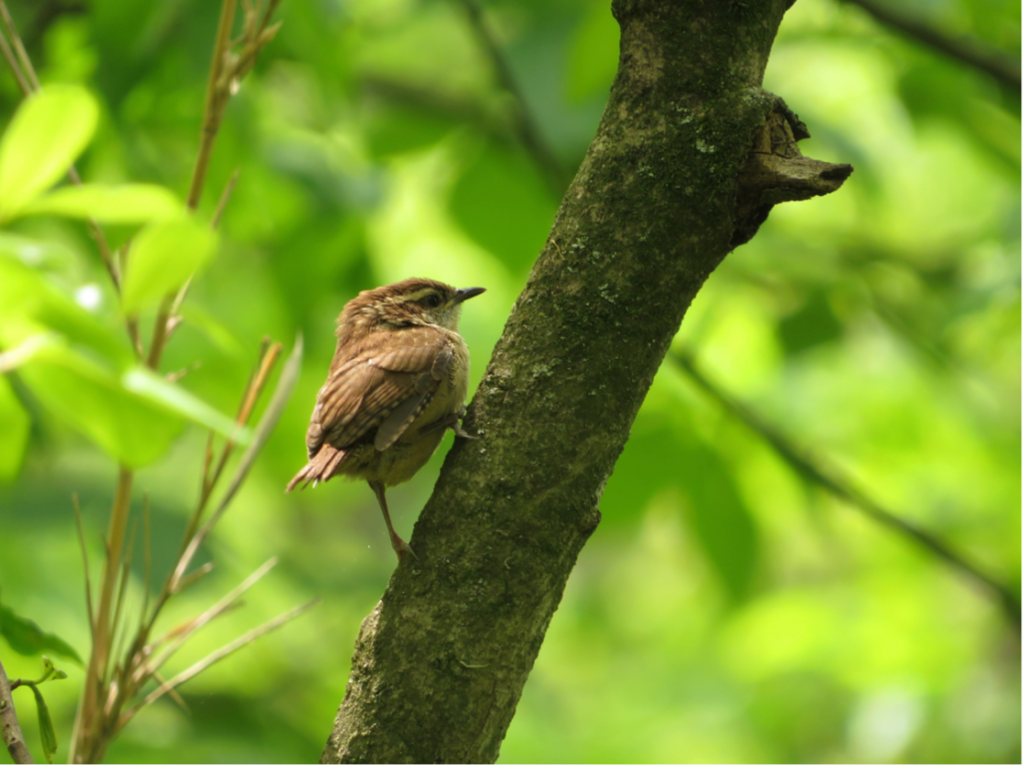
You may be asking yourself: how do I know which ones are babies vs. adults? How do I know which ones need help, and what can I do about it? Today, I am going to walk you through some of the most common things to look for and help you best navigate when you should (or shouldn’t) intervene.
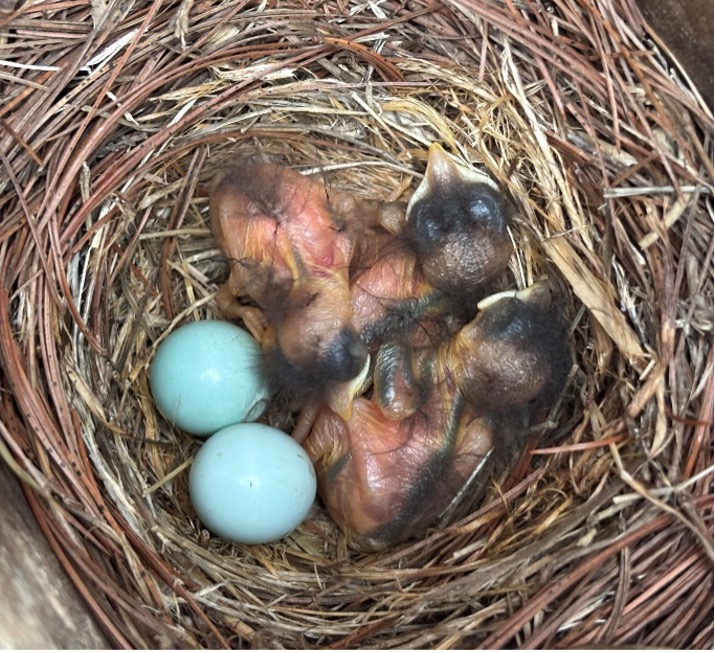
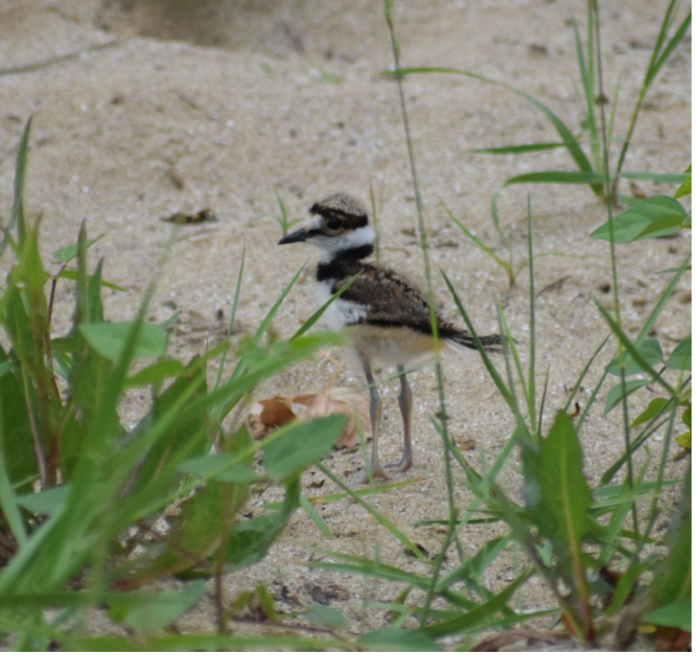
Eastern Bluebird babies (left) are altricial, meaning they’re helpless and fully dependent on their parents for the first weeks, or even months, of their lives. Killdeer babies (right) are precocial, meaning they’re able to walk around and start foraging for food in only a few hours of hatching.
Q: I found a bird on the ground! What do I do?
A: We often think of birds as being in trees or flying in the sky, but many birds actually spend a lot of time on the ground foraging for yummy bugs, worms, and seeds, so it’s not unusual to find a bird hopping around in the grass. However, if a bird is injured or too young to have left its nest, that could be a situation where intervention may help it out.
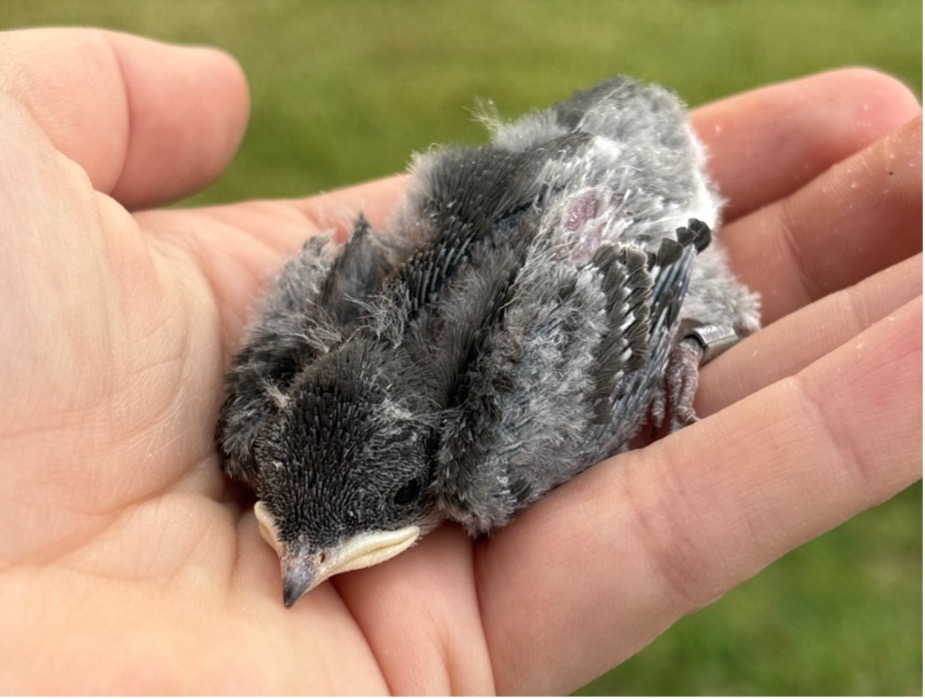
Q: How can I tell if a bird is injured?
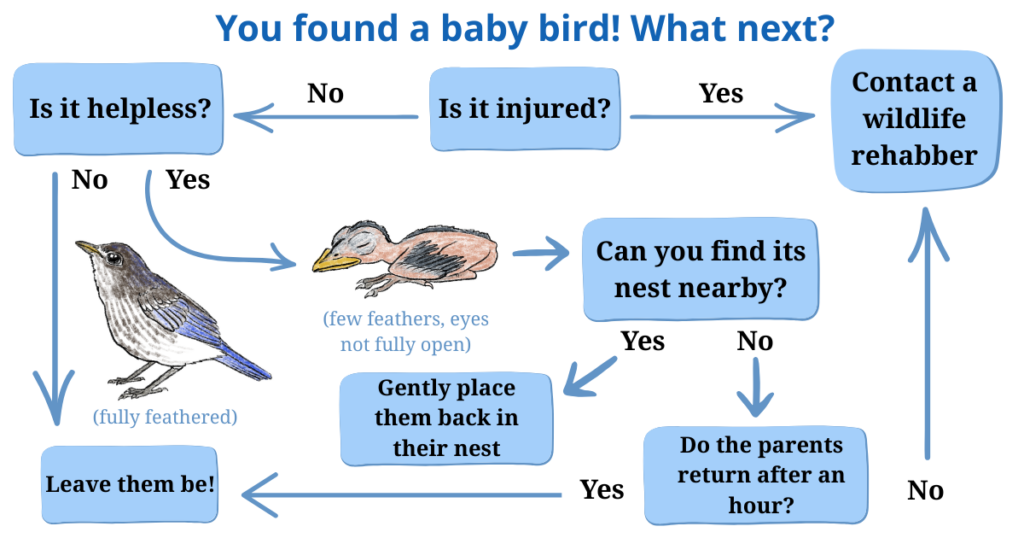
A: Signs of an injured or sick bird include closed or squinting eyes, drooped wings or head, or allowing people to approach it much closer than a healthy wild bird would allow. These symptoms could indicate that the bird may have flown into a window recently, been attacked by a predator, or have eaten something to make it sick, like insects sprayed with pesticides. If it is an adult bird and you can tell it’s clearly in need of help, bringing the bird to a licensed wildlife rehabber is its best option.
Q: How do I tell if the bird is a baby?
A: The easiest way to tell this is whether they have feathers! Adult birds and fledglings will have full-length feathers on their wings and a body fully covered in feathers. While “fledglings” are still juvenile birds, they have already left their nest on their own, and are able to move about the world just fine without any assistance from humans.
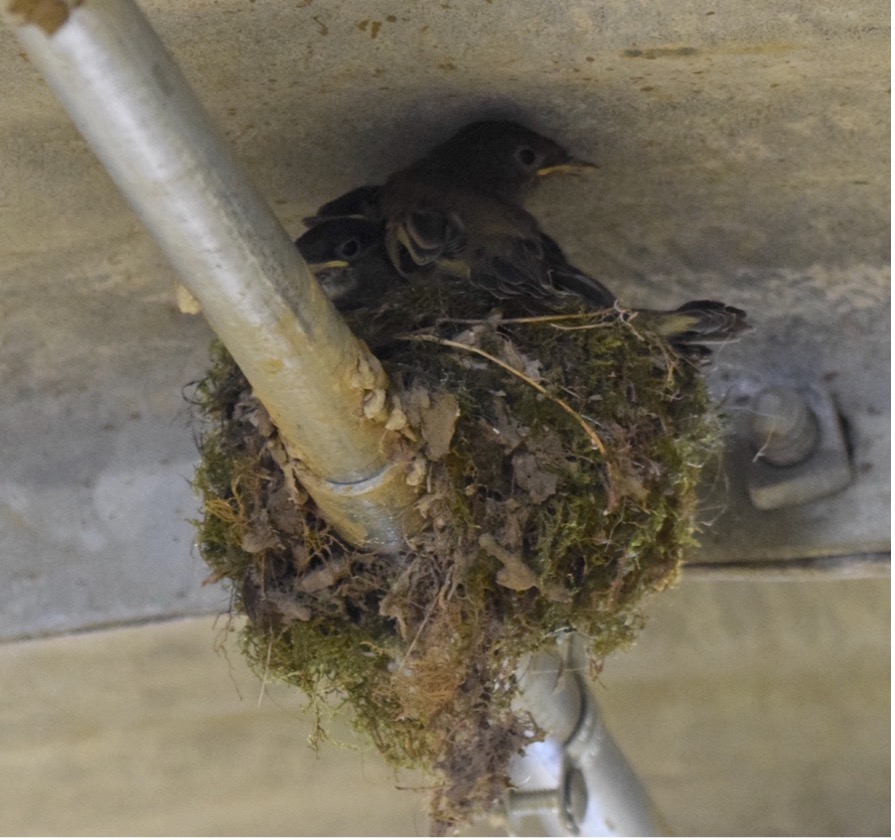
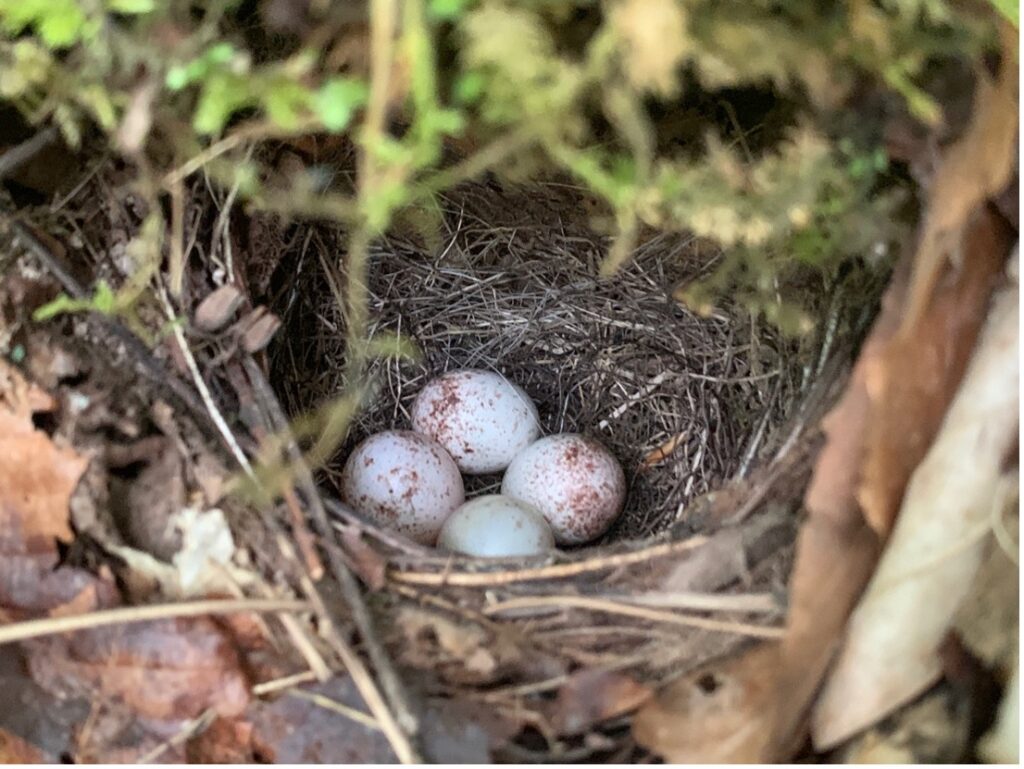
Q: How can I tell if a baby bird is too young to survive on its own?
A: Although fledglings are ready to survive on their own, hatchlings (0-3 days old) and nestlings (3-13+ days) are not. Newly hatched baby songbirds are born blind, featherless, and helpless, and stay in the nest where the parents can feed and protect them while they grow. They grow quickly, however, and after just one week, their eyes are already open, and their feathers are growing in. Just another week or two later, they’ve already doubled in size several times and are preparing to leave the nest!
However, if you see a bird on the ground that has very few feathers or appears to be struggling to lift its head on its own, it may be a nestling that fell out of the nest by accident. The best course of action is to try to locate the nest and return the nestling to it ASAP!
Note: Don’t bring nestlings home with you: they rely on their parents feeding them a specific and frequent insect diet, and baby birds often don’t survive human care at this stage.
Q: If I touch a baby bird, will the parents abandon it?
A: Contrary to popular belief, parent birds will rarely abandon nestlings that have been touched by humans! However, it’s still best to avoid touching them unless necessary, as the smell of your hands can help lead predators to the baby birds more easily.
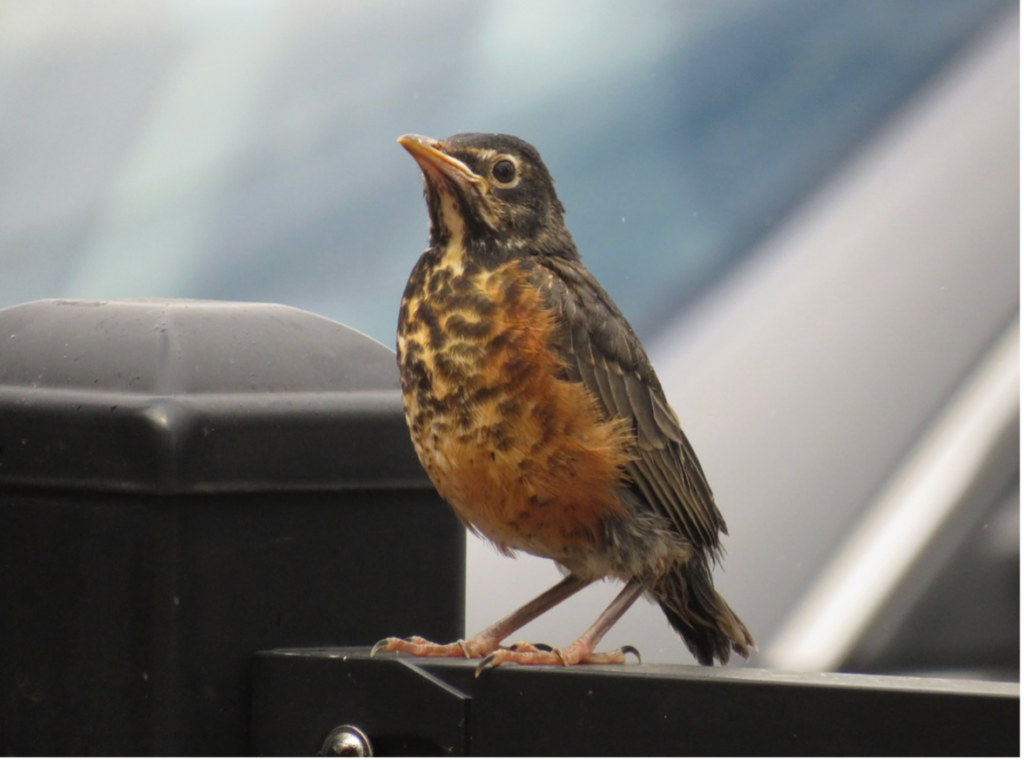
Nestlings that fall out of their nests are often still near it. Look up above you; the nest is likely close by. If you can locate the nest, gently put the nestling back in it. If the nest itself has fallen or been damaged, you may be able to put the nest inside a replacement nest platform (such as a small basket or box) to re-secure it. Make sure it’s as close to the original location as possible so the parents can find the nest easily!
It’s also worth noting that some bird species, such as Field Sparrows and Mallard ducklings, nest on the ground, so if you can’t find a nest, it’s better to leave them on the ground and hope the parents can find and care for them.
Q: When should I take a bird to a rehabber?
A: Most birds will have their best chance on their own in nature. However, if injuries are present and human intervention is necessary, wild birds should be cared for by a licensed wildlife rehabber. Birds are finicky and require specialized care.
You can contact these wildlife rehabbers in the Nashville area:
Harmony Wildlife – Walden’s Puddle – Ziggy’s Tree Wildlife – Lillie Birds Wildlife
Please note: We cannot care for any injured or abandoned wildlife at Warner Park Nature Center. We are, however, happy to answer questions you may have about birds.