
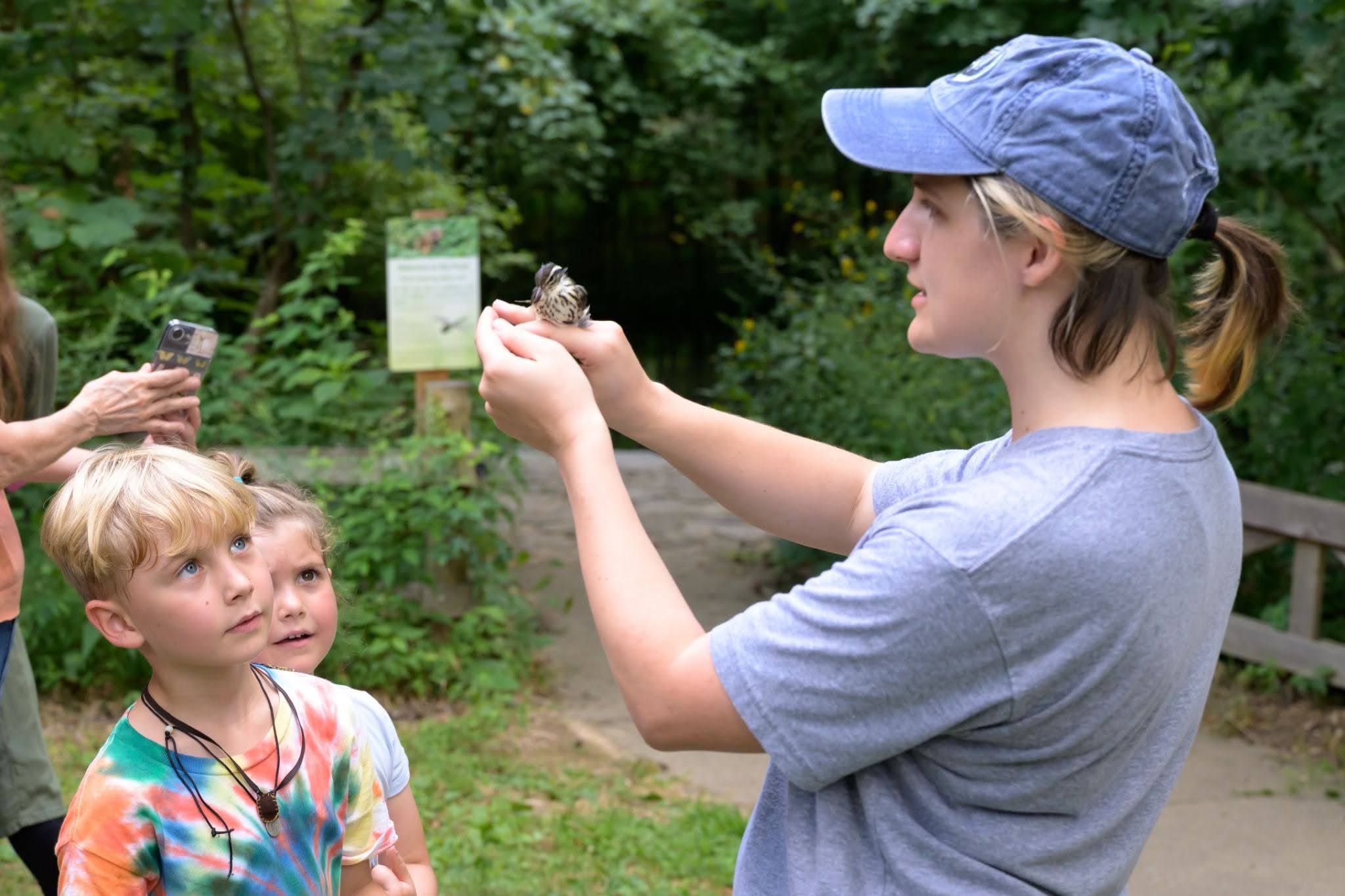
By Jenna Atma, Avian Biologist with Warner Parks BIRD Program
The Warner Parks B.I.R.D. Program has been conducting research through our bird banding station for over 44 years. During the summer, we follow a protocol called MAPS, which stands for “Monitoring Avian Productivity and Survivorship”. This MAPS research goes beyond just Warner Parks; it is a continent-wide, collaborative breeding bird banding program hosted by the Institute of Bird Populations (IBP), and includes many partners in both North and South America, sharing data and collectively asking questions about breeding birds across the Americas.
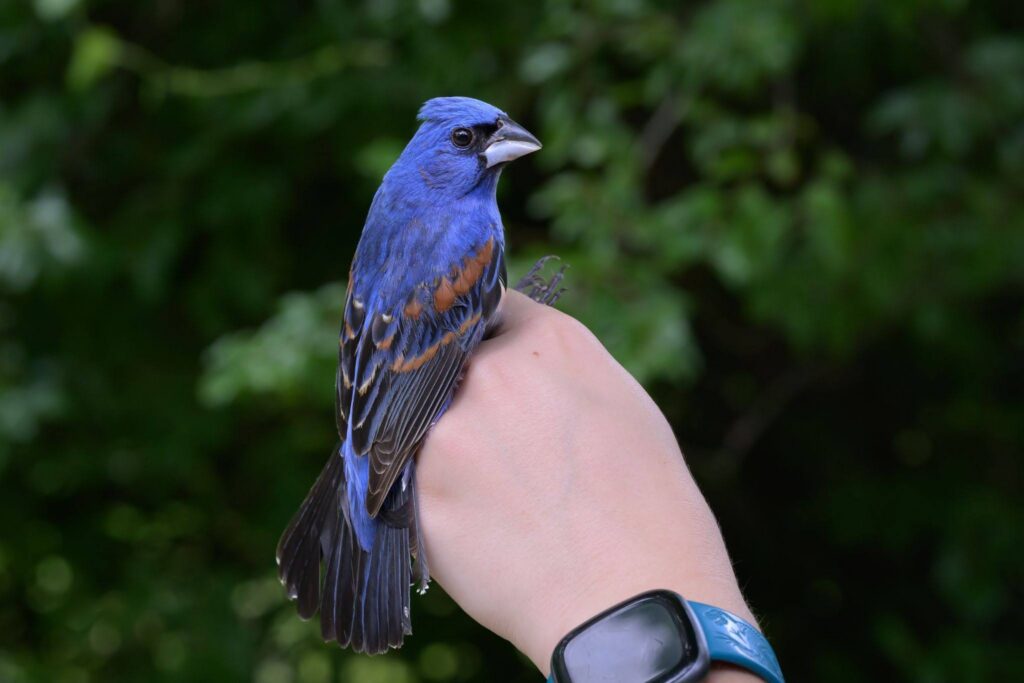
Warner Parks started one of the first MAPS stations in the Southeast US back in 1991, and was the very first MAPS station in Tennessee! The 2026 season marks our 36th season of MAPS, a true legacy research project here at Warner Parks. Such a long research project, using the same methods over several decades, is an incredibly valuable way to look at trends and changes over time to our local bird populations.
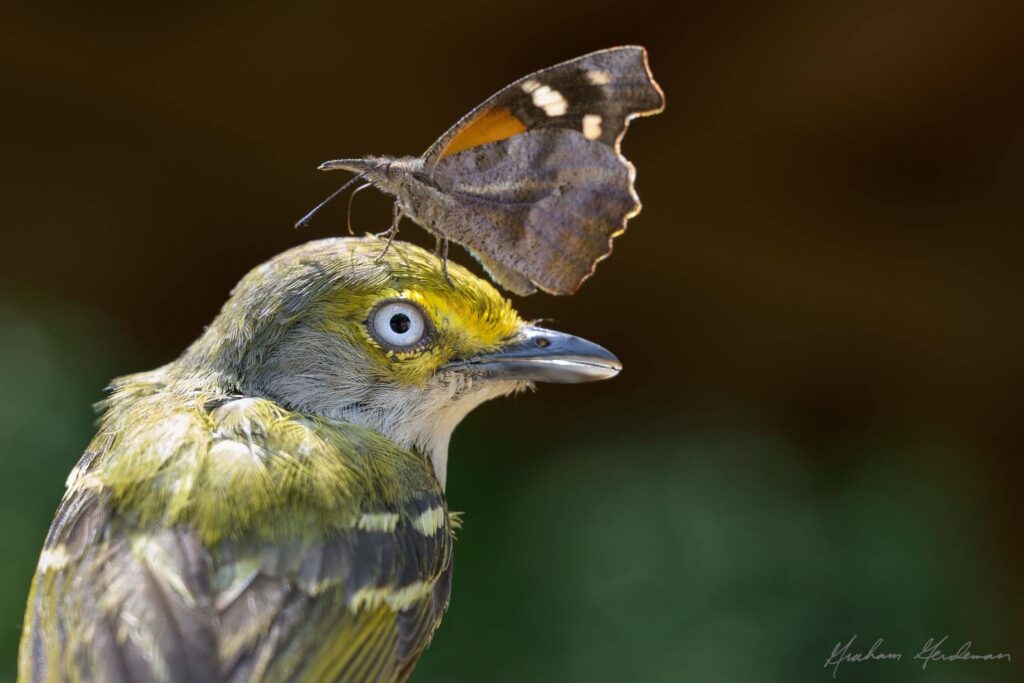
2026 Summer MAPS Stats:
32 different species captured
126 total birds banded
79 new birds captured
42 previously-banded birds recaptured
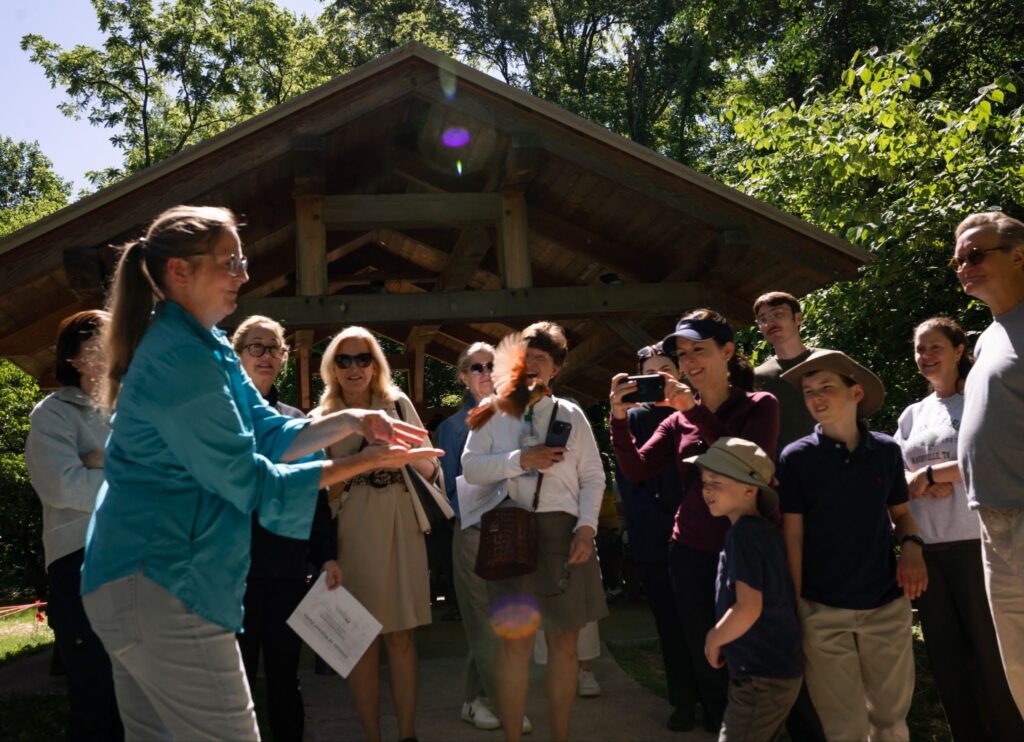
Besides recording and learning about the birds we band, people are also an important part of the experience. Like all of our other bird banding sessions at Warner Parks, the MAPS banding sessions are always open to the public, with 468 visitors stopping by the banding station this year to learn all about birds and watch banding in action. We also couldn’t do what we do without the time, expertise, and support of our dedicated volunteers, summer interns, and staff!
With such an amazing summer of bird banding complete, we have a few highlights to share:
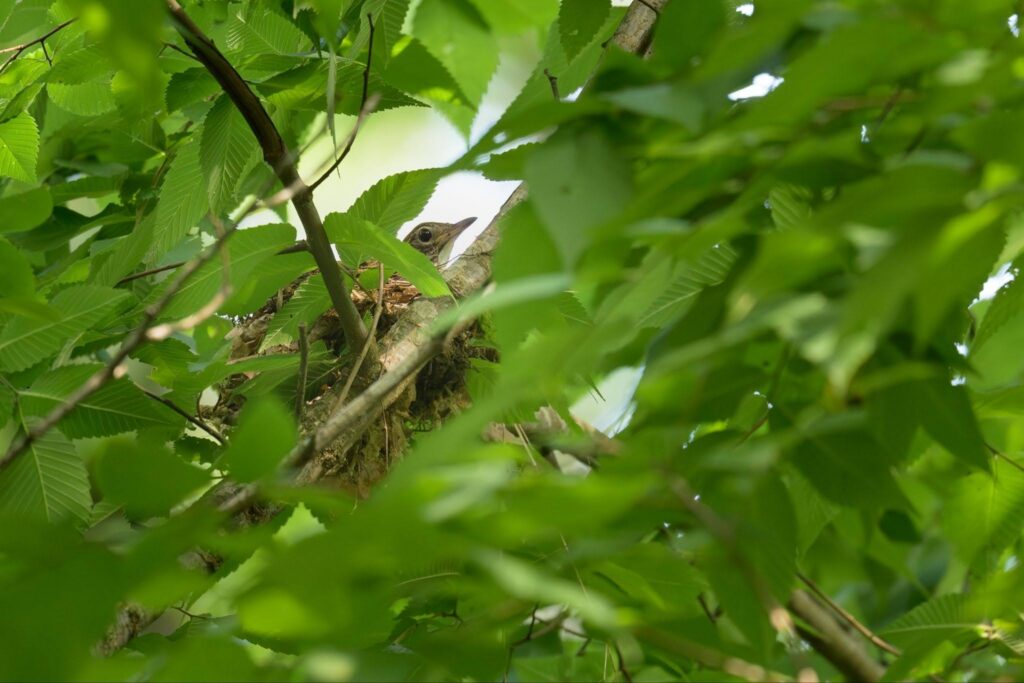
Radio-tracking Research: 2026 marks the 6th year of our radio-tagging research with migratory thrushes, and this summer, our interns focused on tracking tagged Wood Thrushes to find their nesting sites as part of our continuing Motus research in the park. We tagged 3 Wood Thrushes during MAPS this summer. Radio-tagging these birds allows us to locate their breeding territories and find their nests, granting us greater insights into their breeding behavior, movements, and nest site preferences, which in turn can help us learn more about the areas of the park these birds prefer. We also radio-tagged 5 other migrating thrushes that did not stick around for the summer; 2 Veeries and 3 Swainson’s Thrushes, all of which continued on their way to their more northern breeding grounds.
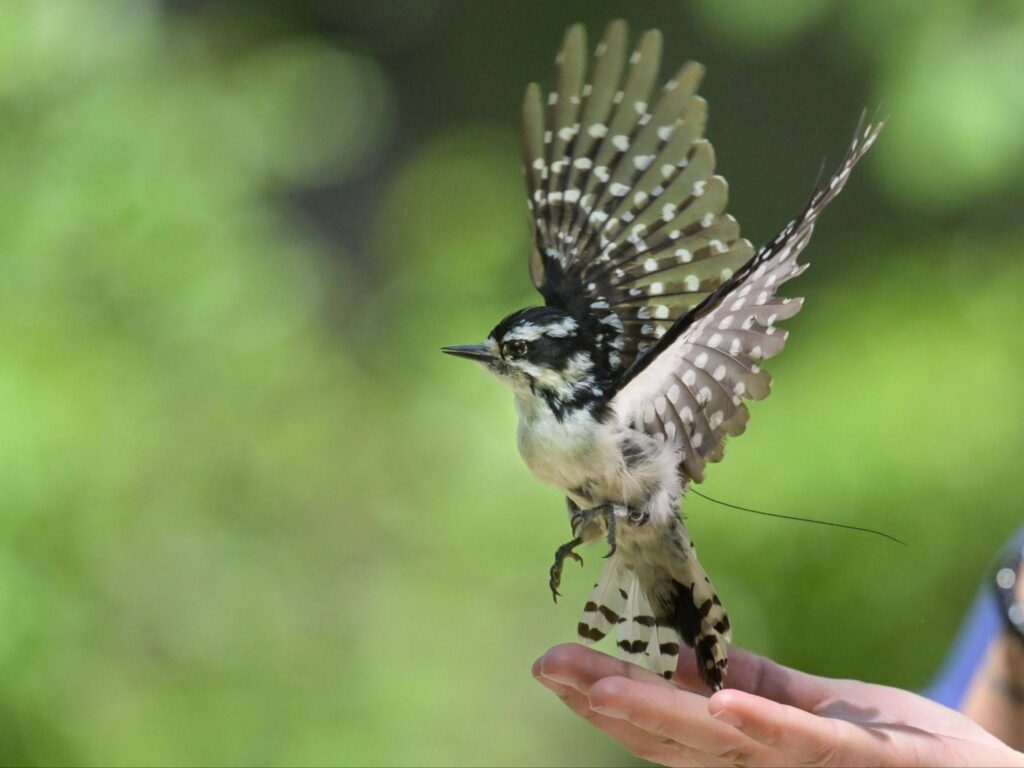
Recaptures: One of the most important aspects of banding and collecting data for many years is found in our recaptured birds. Capturing a bird once can tell us about the bird’s measurements and present condition, but recapturing it later on can tell us many more things, such as changes in condition over time, return rates or attachment to the same location, and longevity, to name a few. This year’s oldest recapture was a female Downy Woodpecker, who was originally banded here at Warner Parks in 2021 as a 3-year old, making her 8 years old in 2026! This was also our pilot year radio-tagging Downy Woodpeckers in the winter, and we recaptured 2 woodpeckers that were radio-tagged from this project during the summer!
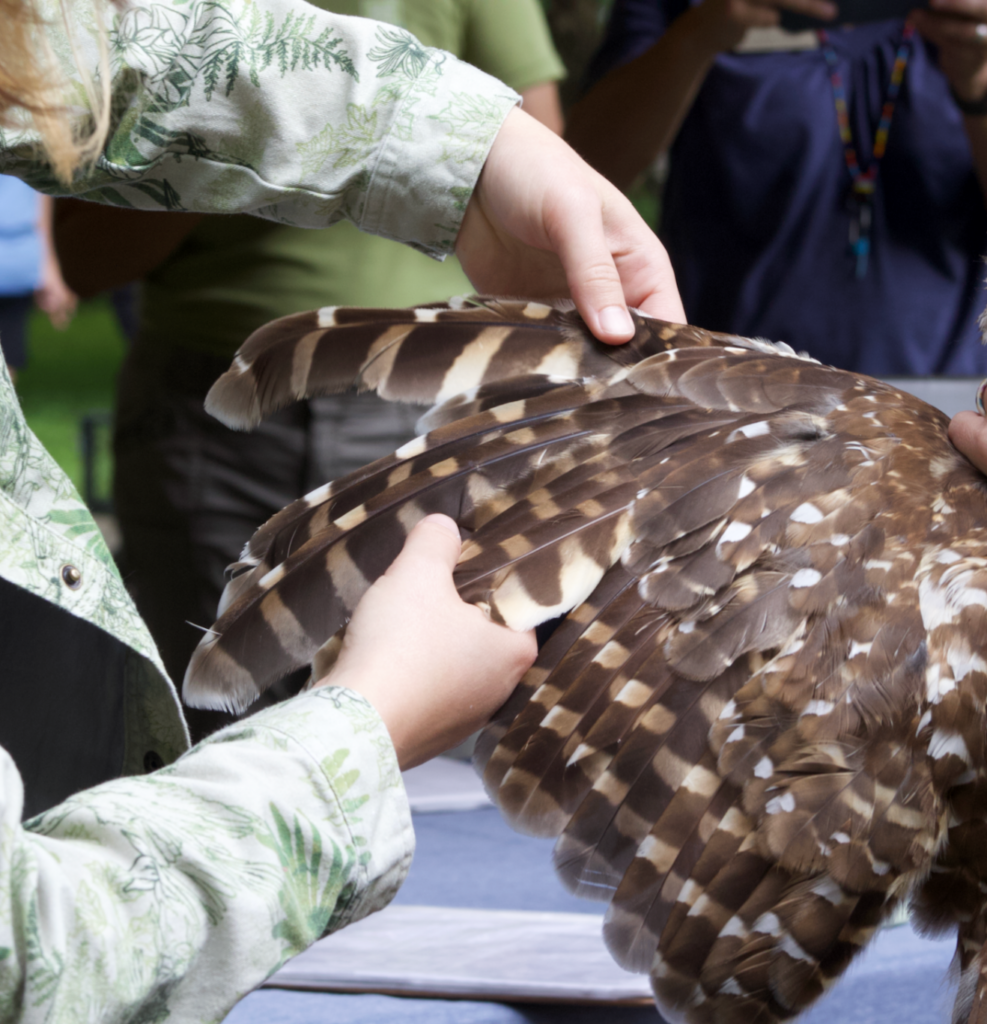
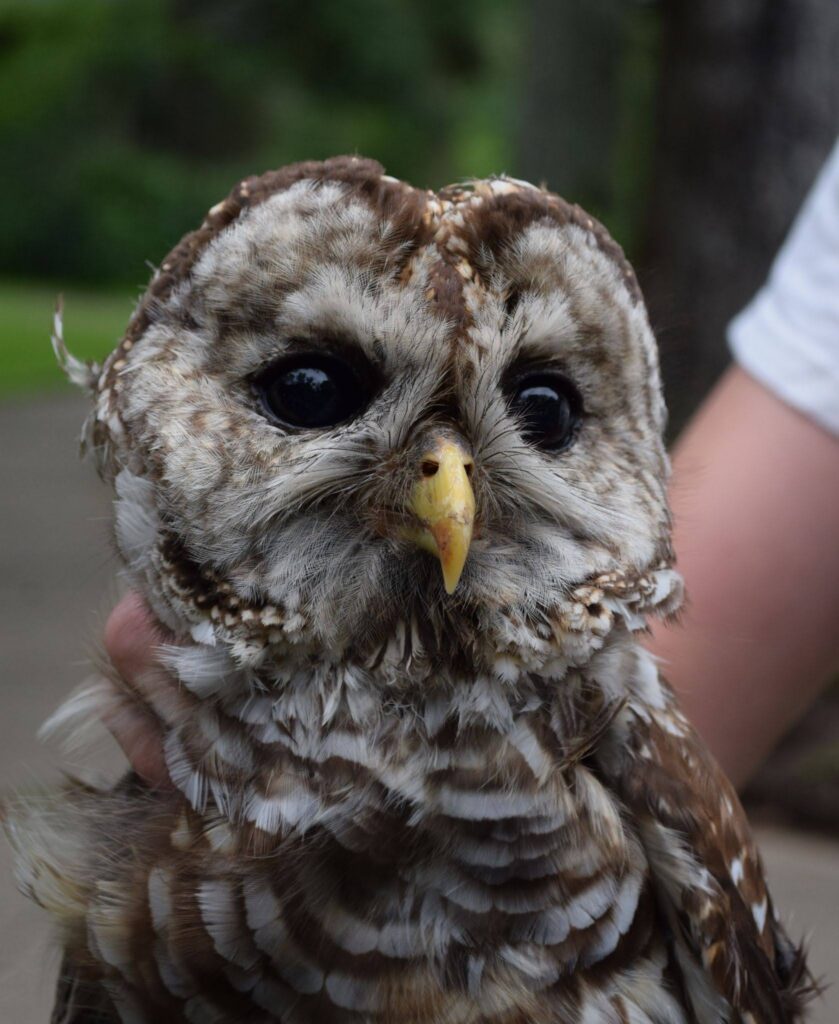
Owl Encounter: Another highlight of the summer was capturing a handsome Barred Owl during one of our June sessions! Although we see owls in the park frequently, we have never captured one at our banding station, making him a Warner Parks “first”. We specifically target songbirds during our banding sessions, so capturing a bird of prey is rather unusual, but no less exciting! We learned that this Barred Owl was a second-year male based on his measurements, and after releasing him, we’ve spotted him hanging around the Nature Center almost every week since.
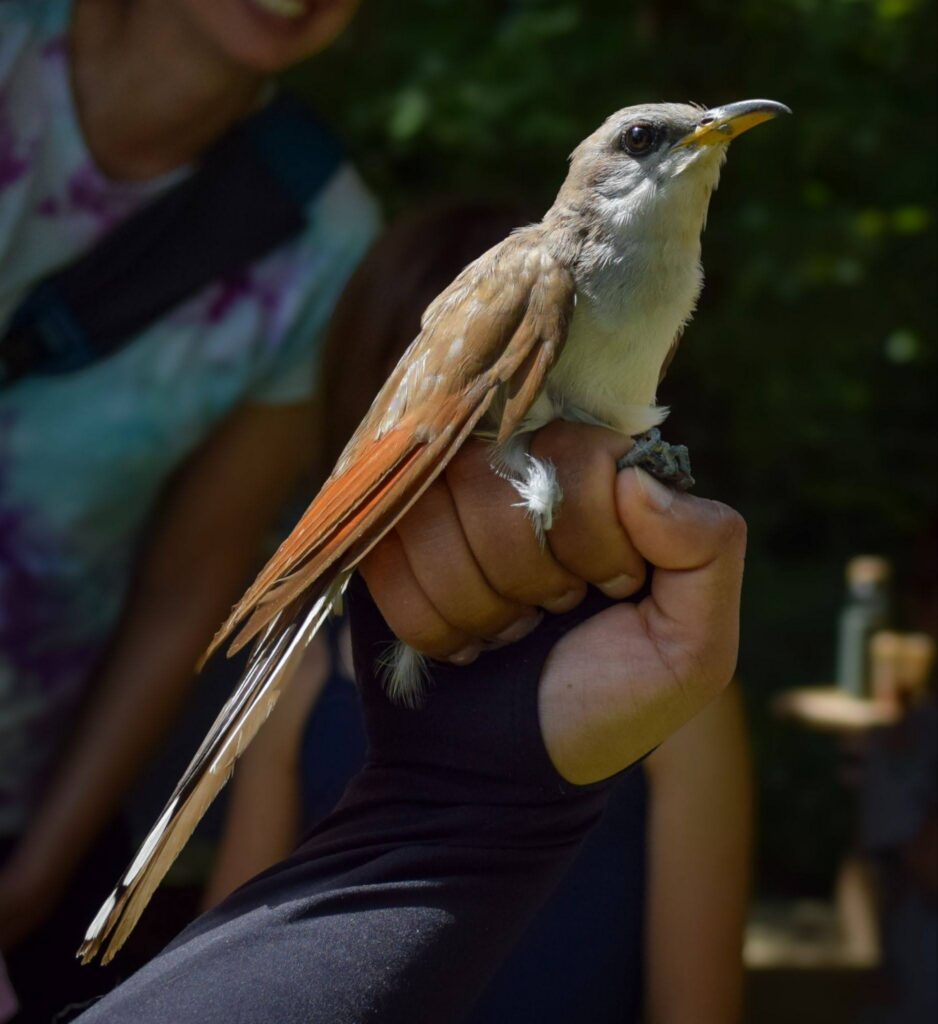
Uncommon Capture: During our final MAPS banding session this summer, we had a very exciting capture: the 4th Yellow-billed Cuckoo ever banded at Warner Parks, and the first one since 1995! Yellow-billed Cuckoos are a fairly common breeder in the park, but a rare visitor to our banding station. They are a rapidly declining species, however, so seeing them here during the breeding season is always heartening for us!
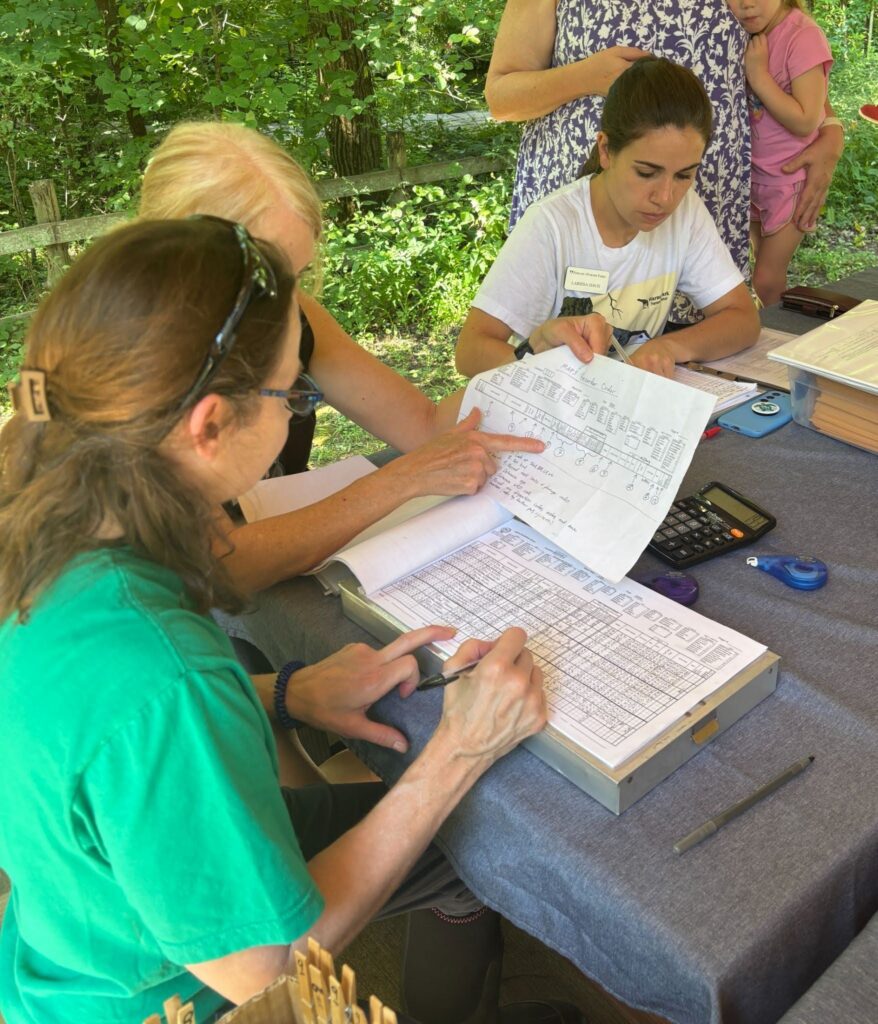
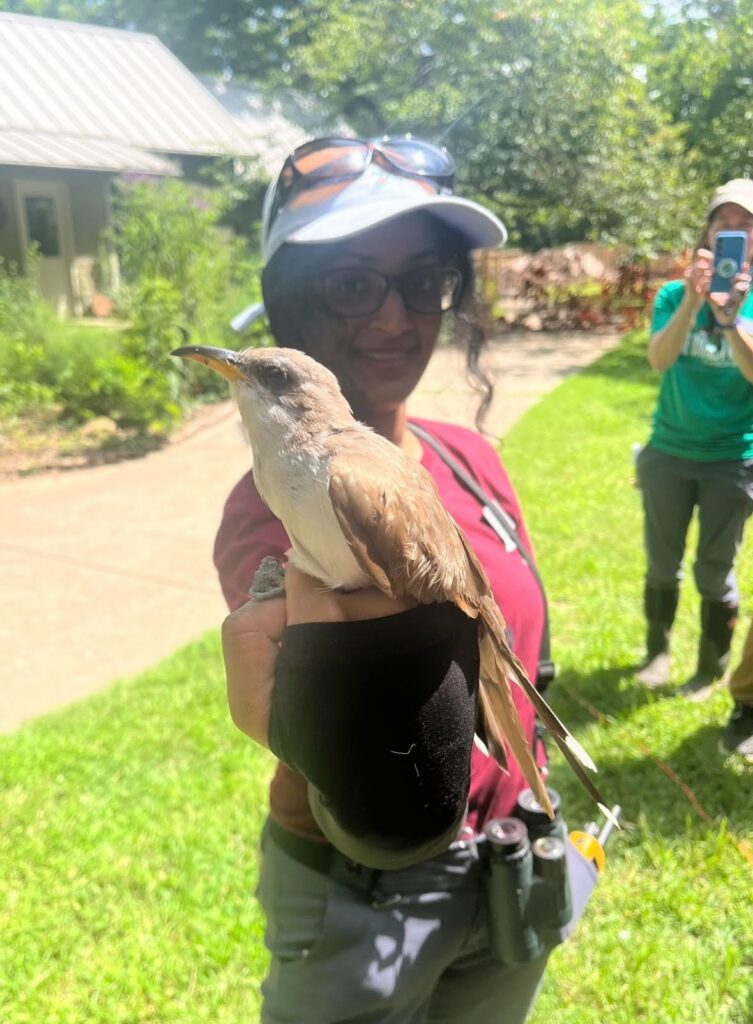
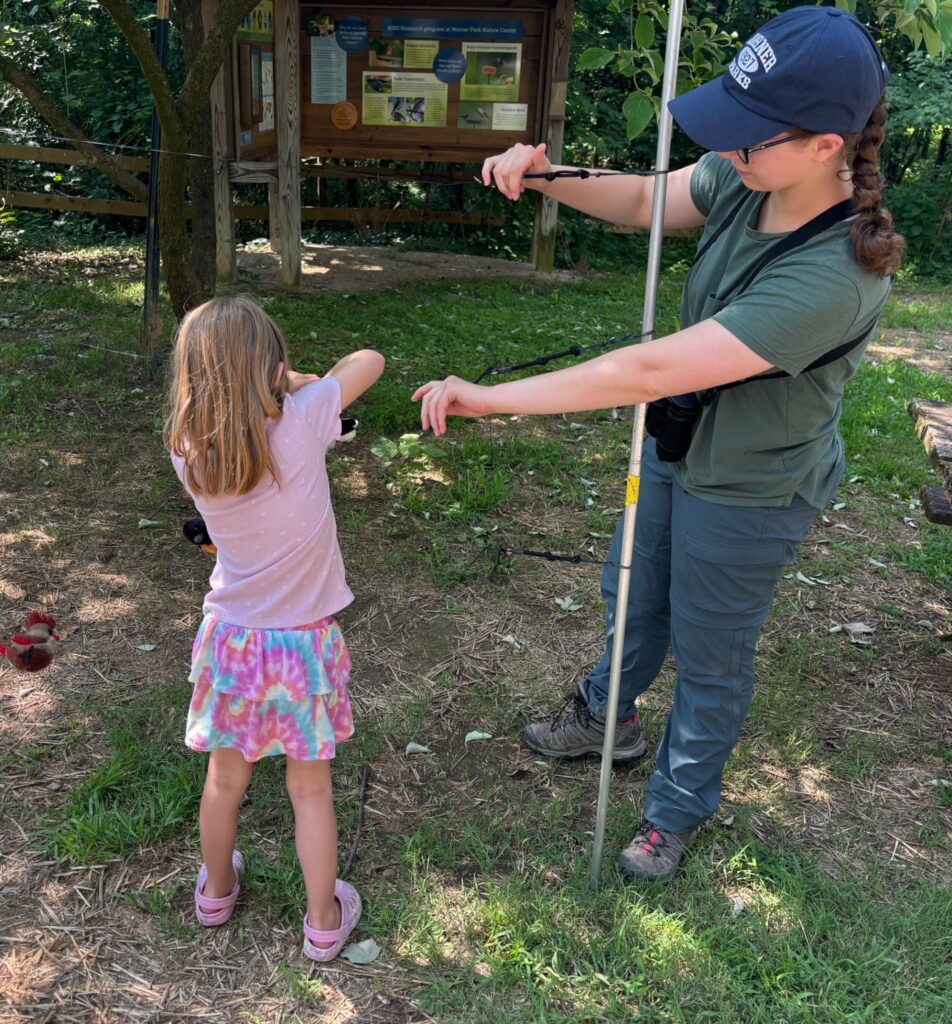
BIRD Volunteers assist with many aspects of bird banding research, including recording data, capturing birds, and public outreach!
A huge thank you to all the volunteers and staff who shared their time and expertise during this intense breeding bird banding project. We could not do this project or make it educational and available to the public without you!
Our banding station volunteers: Kathy Shaw, Patty Ghertner, Rachael Payton, Kim Bailey, Tahira Mohyuddin, Graham Gerdeman, Teresa Marchetti, Larissa Davis, Najena McCroskey, Skylar Carson-Reynolds, Nathan Heath, Jiaying Yang, Beth Kirkland, Kim Cheffins, Deana McNett-Burke, Ainsley Salisbury, Joe McLaughlin, Baily Crable, Kren Teren, Candice Shim, Amelia Browning, Suzanna Sherry, and Cheryl Brummal.
FOWP Interns: Parker Tallman, Mike Sisaye, Aurie Cathey, Mary Yucen Gao, and Heba Elkhatib.
Staff: Laura Cook and Jenna Atma.
Thanks to the Warner Park Nature Center, Metro Nashville Parks and Recreation, Friends of Warner Parks, and the MAPP Foundation for their long-time support.