
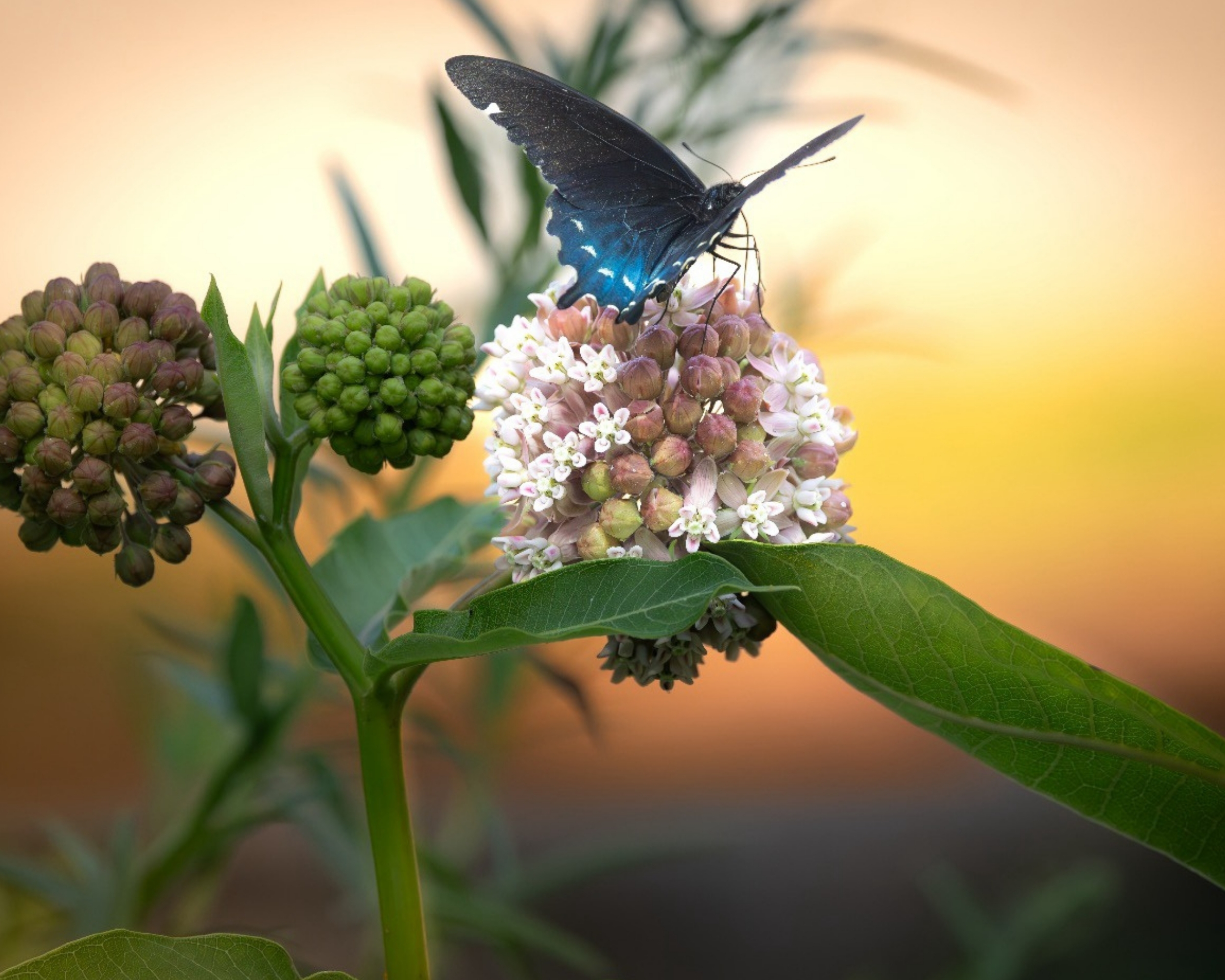
Photo by Terry Cook.
By Elyse Dilks, Naturalist with the Warner Parks Nature Center
Butterflies are some of the most charismatic insects of the world. Have you ever taken the chance to fully observe them as they prance around the air like aerial ballerinas? Butterflies are often associated as day lovers and moths as creatures of the night, but there are exceptions. Here at the park, we have been monitoring our butterfly populations and just recently added moths to the mix as well.
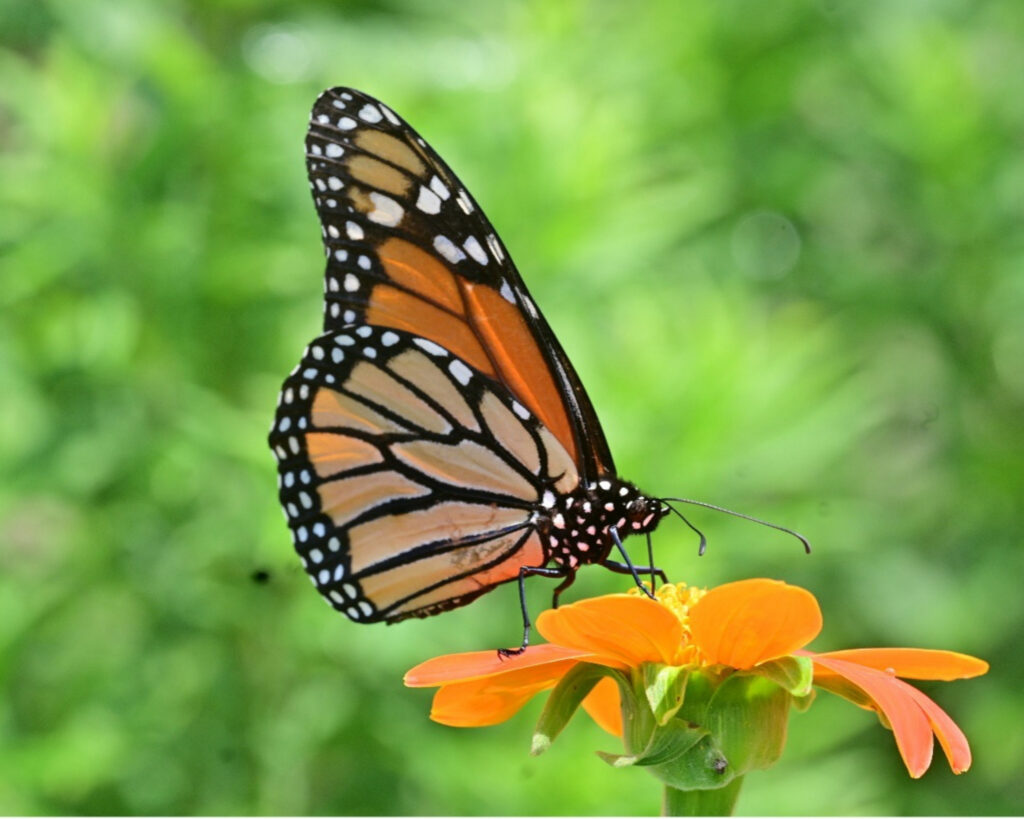
Tennessee has 130 species of butterflies, and 71 of them call Warner Parks home, according to the North American Butterfly Association (NABA) Counts that have been conducted since 2002. NABA is a large community driven science initiative that surveys, tracks, and compiles butterfly data during the Spring, Summer, and Fall seasons on a national level.
In the past 30 years, there has been a 22% decrease in our butterfly population across North America. This is due to loss of habitat, lack of native plants to pollinate, invasive species, herbicides, and climate change. Although disheartening, it is through the hard work of community science that we are able to identify larger scale impacts. The data collected here at the Parks helps contribute to conservation efforts going forward.
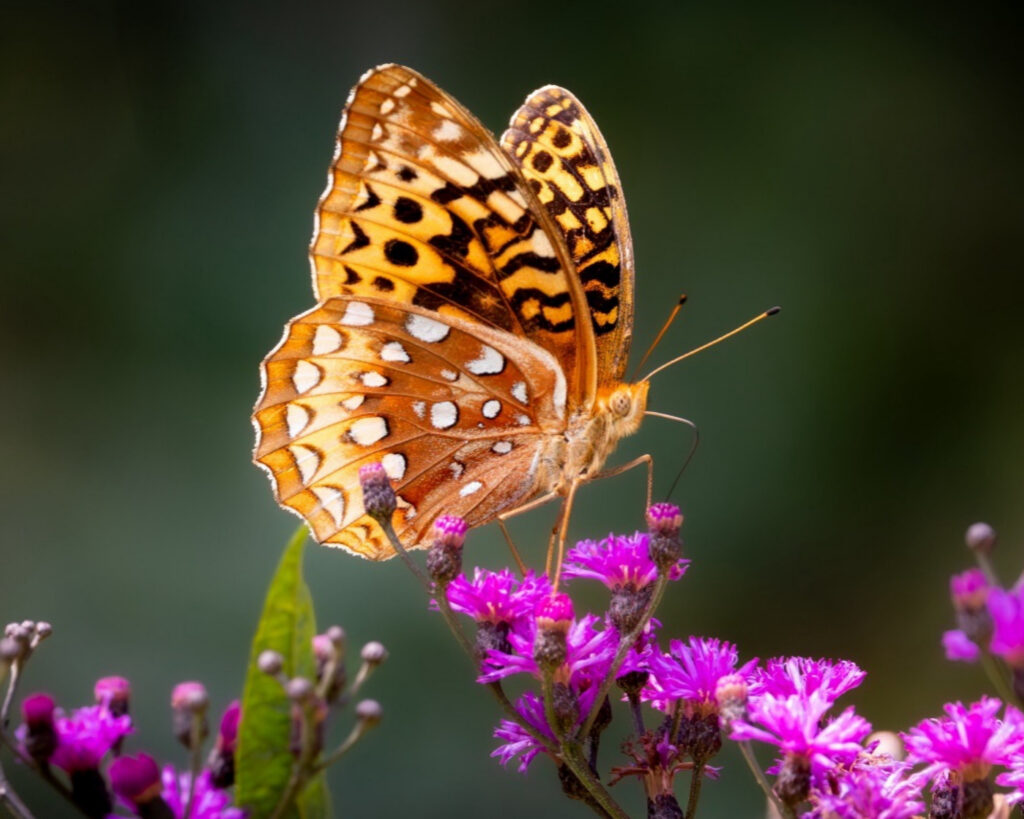
From 2026’s surveys in May and July, we have recorded a total of 499 individual butterflies and 38 species in the Parks, with some rarer sights such as Juniper Hairstreaks and Goatweed Leafwing butterflies.
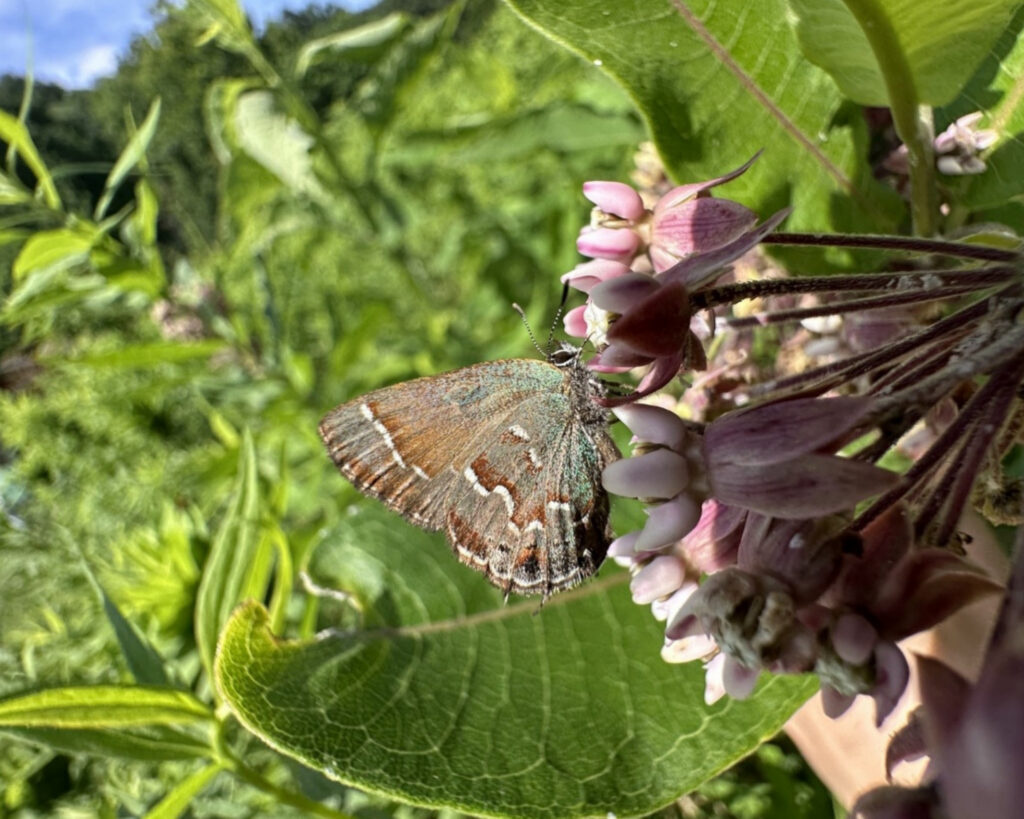
Juniper hairstreaks are a lovely and sometimes rare sight since they often hang in the canopies of cedar trees. However, due to Winter storm Fern, many cedars met their end throughout the parks and came crashing down. When the cedars are low to the ground, so are the Juniper Hairstreaks. A positive highlight from an otherwise devastating time of tree loss and damage. Although a tiny little butterfly, not much bigger than a nickle, their vivid green scales on their wings paired with brown and white bands form the ultimate camouflage.
The Goatweed Leafwing sighting was exciting, because the species had not been recorded on an official NABA Count since 2002.
Butterflies are heavily impacted by their environment and are good precursors to identifying a healthy ecosystem. Tennessee used to be full of grasslands and meadows, but roughly 10% of them remain intact.
Here at Warner, we have begun meadow restoration efforts and have already noticed a difference in our butterfly populations within those areas. When there are more butterflies, there are more caterpillars, which feed the birds. As our bird population grows, so does seed dispersal and plant life. Plants, butterflies, and birds work together to keep the cycle repeating.
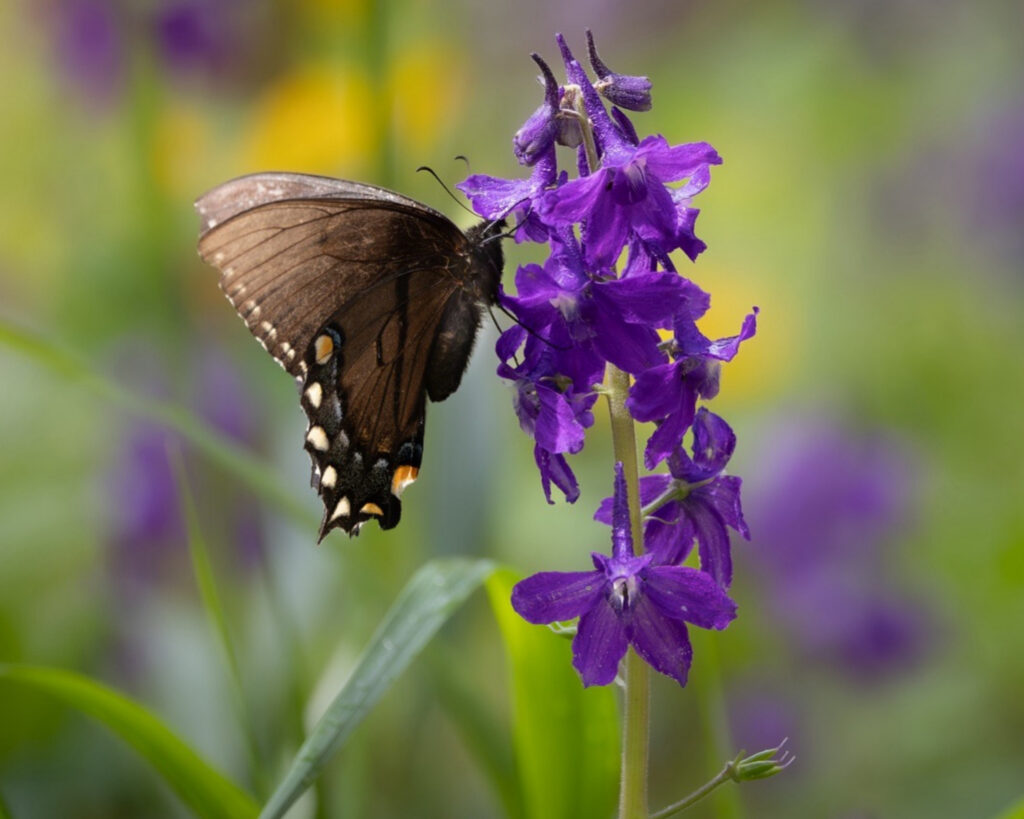
Warner Parks is a wonderful space to witness the growth and changes of the natural world. You can join the next NABA Count at Warner Parks on September 12. To learn more about NABA, click here.
How to Get Involved in Butterfly Conservation
- Plant native plants at home to offer more habitats for butterflies. Butterflies have a wide range of habitats from meadows, wetlands, to forests with sometimes a very specific host plant diet. If choosing the right plants feels daunting, talk with one of the lovely local nurseries around the Nashville area. They can help you choose the right plant for your butterfly needs.
- Native Nursery Plant List – GroWild, Inc
- Wonder Gift & Garden | Wonder Gift & Garden
- Neighbors for Native Plants
- Nashville Natives – PlantNative.org
- Join us on our NABA Counts or find a local count near you! We go out 3 times a year throughout the parks to conduct butterfly surveys and everyone is welcome. Novice or pro, it doesn’t matter! NABA is built upon the hard work and dedication of the community and those who volunteer their time. Reach out to Friends of Warner Parks to see how you can get involved in future NABA surveys.
- If you can’t attend a Moth Watch at the Warner Parks Nature Center, conduct your own Moth Watch at home!